Thoughts on the New Mega-Pixel Monsters

The Mega-Pixel wars are still hot with the introduction of Hasselblad’s new 50MP Digital Back (H3DII-50) and Phase One’s new 60MP Digital Back (P65+)…but, really, who is the market for these new bleeding-edge systems? Does anyone really need 60MP? Can anyone besides my dentist really afford it? Click on the audio logo for more! By Stephen Schaub.

Super-Size Me! What’s Up with Big Digital SLRs?

Is it just me or are cameras getting really big…I mean SUV big? Have you also noticed your aunt Minnie now carries one of these beasts for her casual pictures of roses and nephew Timmy? So… what gives? Click on the audio logo for a 6 minute thought-provoking discussion on the enigma by Stephen Schaub.

Vanishing Vermont and the Hexomniscope

 Exciting news! I have just begun a new project called Vanishing Vermont which, when completed in a year or so, will be a show and book (co-authored with Eve Ogden Schaub) more information as the project develops…

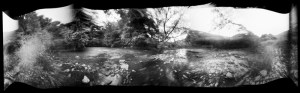
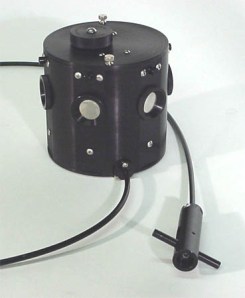
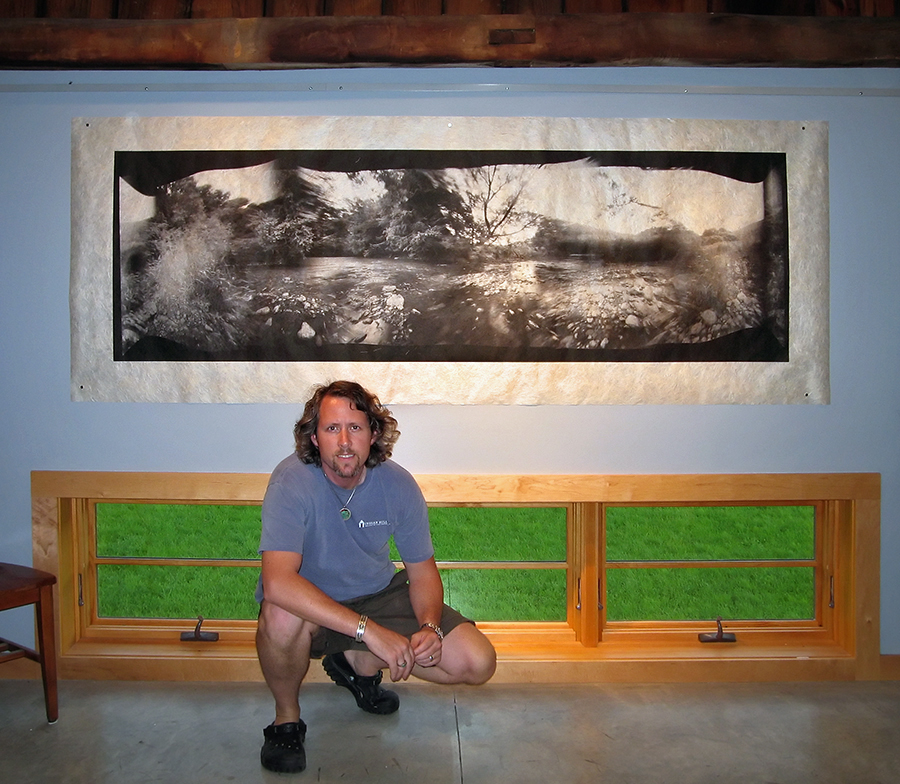
Meanwhile, I have spent the last few months testing different pinhole and zone plate camera systems and have settled on the Hexomniscope by Ableson Scope Works for these new artworks. I’m still in the early stages of working with this new system but the flexibility is amazing (as are the huge 6×17+ cm negatives!) Images are printed on Japanese Kinwashi as a d’Vinci Noir (image size: 28″ x 90″.) The camera is really quite small and weighs in at around 3lb.

I am off to California tomorrow for a bit of shooting (Yes with this camera) so stay tuned for a full report when I return.

In case you are wondering….Film: Fuji Acros processed in Diafine (of course), 360 degree image (6 images), 8 minutes at f/180.

Viva la Revolution!

Let the Healing Beguin or Photography with a capitol P!

From the Figital Revolution Manifesto, the Book!Thoughts on the current state of the photographic industry (film, digital and hybrid) as well as suggestions for reclaiming the web and our industry for ALL photographers…we are all in this together!

Avoid the Photoshop Black Hole- Keep it Simple!

This informative, 5 minute audioblog provides thoughts and techniques on using Photoshop as a quick responsive tool! Find out which four core tools you REALLY need to know and avoid the endless black hole that captures so many photographers working in Photoshop. By Stephen Schaub

Wiki Black Hole Info

George Eastman and Kodak for Kids

I, like many parents, have a hidden hope that one of my children will someday follow in my footsteps and one day become a photographer… a successful photographer, mind you. My oldest daughter was first introduced to photography when I gave her a Polaroid camera slr 680 (SX-70) at the age of four and then later a lighter new plastic Polaroid Spectra System. She’s now eight and for Christmas received a digital camera from her Uncle Chris and most recently I gave her a 1924 No.2 Kodak Brownie Cartridge Hawk-Eye, Model B from my collection (shoots 120mm, 6×9 cm).

With each new camera comes more questions on photography, art and the general “how do you do that“? Meanwhile, my wife Eve has just returned from a trip to Rochester, NY which included a visit to the George Eastman House – an amazing must pilgrimage for all photographers, whether you like Kodak or not- and purchased a comic book (gotta have a souveneir for the kids!) about George Eastman and the early history of Kodak. I, of course, had to read it (okay, twice) and despite its simplistic narrative it does answer many questions my 8 year old has regarding photography and this “new” Brownie camera she’s received… and it is presented in a manner that is accessable and fun to read. Yes, I know any discussion about Kodak nowadays is fraught with controversy and conflicting opinion but for my daughter it is perfect… and waaay more age appropriate than A World History of Photography by Naomi Rosenblum.

I, for one, would like to let her have her moment of blissful discovery for all things photographic- anger regarding Kodak (not to mention Ilford, Fuji and Agfa (RIP) et al) can come later. You know, like in art school!

Amazon LinK: George Eastman and the Kodak Camera (Inventions and Discovery series)

New Testing Results for InkAid and Film Processing!

The following updates are based on additional testing conducted by me at Indian Hill Imageworks. If your current method works fine for your needs then no worries… otherwise give these “refinements” a try.

Viva la Revolution-
Stephen Schaub

1. Handcoating your own papers with Inkaid- How many coats?: 2+ (12-24 hrs air dry between coats is best). Also be sure to really mix your InkAid…I use a paint mixer which can be found at most good hardware stores attached to a power drill at low speeds- it works great and costs under $10 bucks!

2. Diafine Developer “UNIVERSAL TIME/ AGITATION PROCEDURE”:

  • 4.5 Minutes in A and B with 2 gentle inversions at: Start, 1.5 minutes, 3 minutes and again at 4 minutes…dump at end (4.5 minutes and then do the same 4.5 minutes with B.) This increased standing time produces some fantastic negatives! 
  • NO PRE WET
  • Developer Temp between 70-75 F (temp does not affect the developer but temp does affect the film’s emulsion…big difference between film at 68F and film at 80F!
  • All films tested here on FR for the purposes of scanning can be processed using this “UNIVERSAL TIME/ AGITATION PROCEDURE” for scanning purposes. Just as a note, I only use metal reels and tanks.

3. 320 TXP and 400 TX are DIFFERENT FILMS (yes I know this is obvious but…)

  • EI Range for 320 TXP (120mm)…EI 320
  • EI Range for 400 TX (35mm and 120mm)…EI 400-1600 (800-1250 best)

4. Fuji Acros EI 160 using UNIVERSAL DIAFINE TIME… my new favorite film/ developer combo!

Final Note: The “UNIVERSAL TIME/ AGITATION PROCEDURE” has been tested for scanning purposes only.

The 5 Minute Zone System

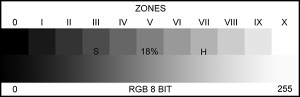
This short audioblog (under 5 minutes) will give all photographers who want better control over their exposure when using black and white roll films a quick and easy working solution: The 5 Minute Zone System! This is not your grandfather’s full-bore Zone System but rather a user-friendly method for predictable, repeatable results! Just click on the audio link and give it a listen… Viva la Revolution!!

More info on the FULL-BORE Zone System: Click Here! 

When Sharp is REALLY Sharp: High Resolution Films, Part 1

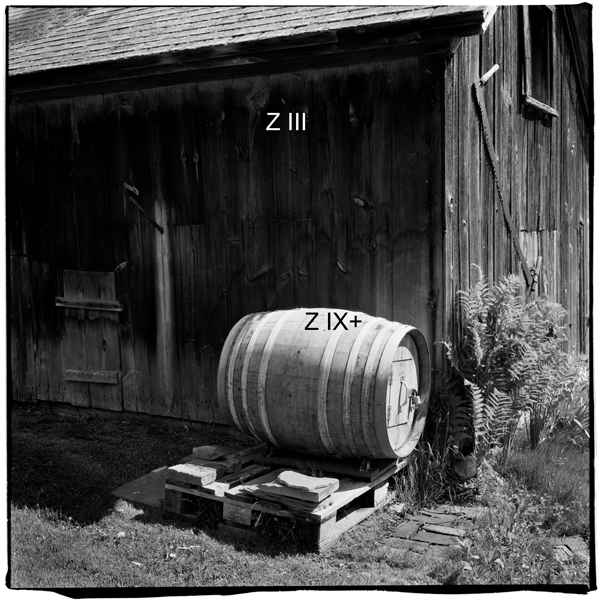
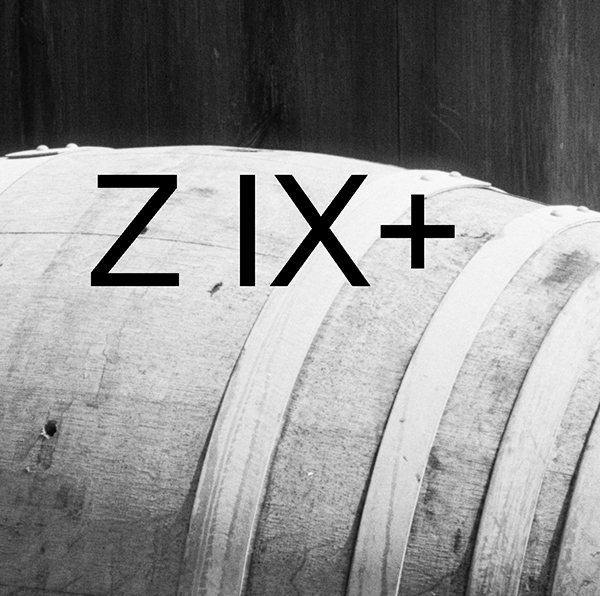
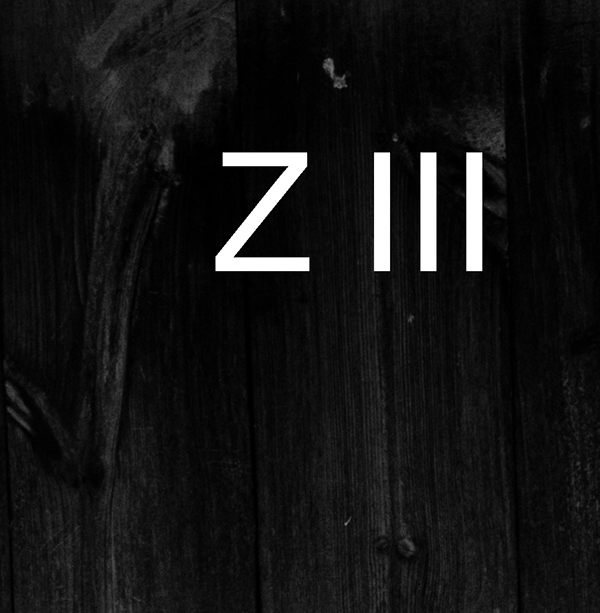
I’ve been testing a new film recently, Rollei Pan 25 (120mm) processed in Diafine (3+3) and the initial results are quite amazing! The film does have a bit of a nasty curl to it when dry but nothing a glass carrier or oil mounting for scanning won’t fix… Here is a sample image I made using this film (shot on a 1960 Rollei TLR “F” at f/11 at 1/8th, exposed at BOX speed 25!) as well as two detail crops…just click on the thumbs to get an enlargement.

Note: Z= Zone. Also, the usable dynamic of this film is huge…I have great shadow detail down into Zone II (easily) and the highlights are very clean with nothing blocking up and the grain is almost impossible to find!

The final full size image is 20.7″ x 20.7″ at 360dpi (optical scan resolution 3200, 16Bit). It is important to note that NO SHARPENING was applied in scanning or in post processing and NO NOISE REDUCTION has been applied either…the file is au naturale! I will continue to refine this film/ process over the next few days followed by testing of Efke 25 and then a final comparison between Rollei Pan25, Efke 25 and Kodak Technical Pan Film (I have quite a bit of frozen Tech Pan). All images and tests will be shot on 120mm film. Stay tuned!!

Viva la Revolution!!