I Love Coffee: Caffenol C Developer, Test 1

If coffee is good for me (and it is)…. it must be good for my film, right? I had heard about developing film in coffee back when I went to RIT but have never got around to trying it- until now.

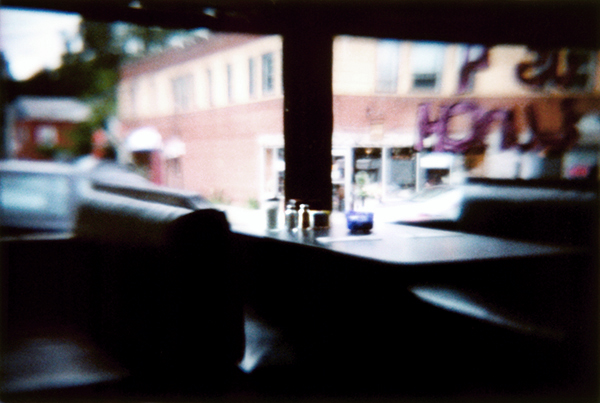
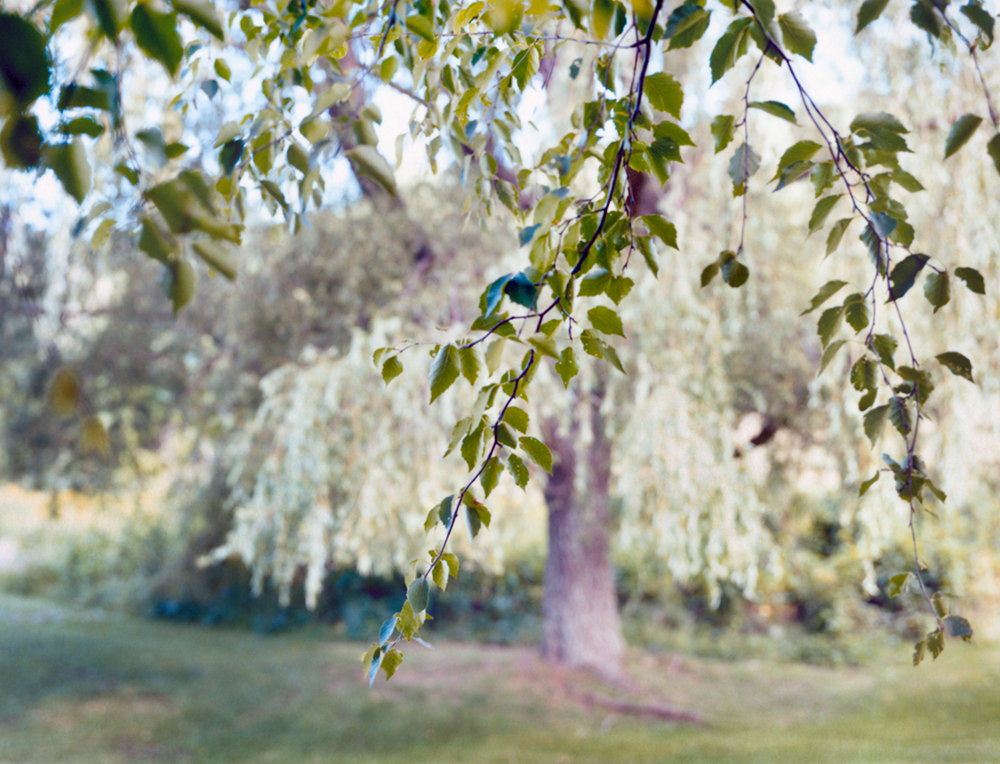
My first test rolls were Kodak 400TX in both 35mm and in 120. The 35mm (above image) was shot in my Leica MP with a 28mm lens and the 120 was shot with the Cuboid using a F72 pinhole.

The method I used for mixing the developer can be found here on Digital Truth. My agitation was 1st minute constant and then 3 inversions per minute till end of time which for 400TX I chose 30 minutes at 70 F. After looking at my test negatives I think they are over-developed by quite a bit but my Imacon had no issue making a good scan. The increased development was a result I believe of the ascorbic acid added in the Caffenol C recipe. If I were to do 400TX again with this recipe I would go for around 20 minutes but I would need to run a test to confirm that time.

If you google Caffenol C or just Caffenol you will find a wide range of opinions regarding this processing technique. The grain is large and sharp and the film is VERY low contrast but that can be a good thing for scanning.

So why would you want to do this?

  1. It’s cheap.
  2. It is enviromentally sound.
  3. It has a unique visual quality from other developers I’ve used… a “vintage” quality.
  4. It produces negatives that are “easy” to scan.
  5. It can be done on almost all films with varying degrees of success.
  6. It’s fun!

If you want to see a larger version of the picture above click here. Please note it is a large file.

Next test…. Ilford Fp4+ in Caffenol C using the time suggestion also found on Digital Truth. The 400TX I used for this test is a bit too fast for my current needs and from what I can gather from other users of Caffenol C Fp4+ is a good choice… stay tuned.

One last note… it smells like hell!

Viva la Revolution!

Link to article on RIT (Rochester Institute of Technology) web site:

A Use for that Last Cup of Coffee: Film and Paper Development
20 Stop Dynamic Range Technique

Here is a quick technique I use from time to time to get the maximum usable dynamic range out of film on a contrasty scene.

  • Film: Kodak TMAX 400 (TMY-2)
  • Developer: PMK 1:2:100 @70 F (Mixed with Distilled H2O)

Please note: If you have never used PMK developer understand that it requires careful handling… always wear gloves and use safe chemical handling techniques as it can be quite toxic. Also with T Grain films the temperature is important so use a water bath to maintain 70 F during processing.

Exposure:

Expose the scene for the shadows… if you have a spot meter make sure you have a solid Zone III…. don’t worry about the highlights as they will be just fine. (Stay tuned for my review of the new spot meter by Metered Light!)

Once you have your exposure figured out overexpose by 3 stops. You could always just set your meter to an EI of 50 instead of the normal 400 for TMY-2 (this is what I do). In simplest terms we are overexposing by 3 stops and developing for 50% of our normal time. The developing procedure listed below represents a 50% reduction in development time from my normal with this film / developer combination. This technique will work for different films with PMK as long as you follow the simple rule…. overexpose by 3 stops and reduce your development time by 50%.

Processing:

1. Pre-wet- 1 minute at 70F, constant agitation (distilled H2O).

2. Developer: PMK for 7.5 minutes (1+2+100). Continuous agitation for the first 30 seconds then one inversion every 15 seconds till completed time. Save the used developer as you will use it again in the after bath.

3. Stop: Tap water, 2 minutes fill and dump with agitation. Do not use anything but water!

4. Fixer: TF-4 for 5 minutes, follow package directions. Only use TF-4 fixer!

5. After Bath: For those of you not use to using PMK you reuse the saved exhausted developer by dumping it into the tank for a second time after the fixer which will increase the image stain. 2 minutes with standard agitation. There are schools of thought that suggest that the after-bath is not important… with some films like 400TX I would agree but with this technique and film it is a good thing in my opinion.

6. Wash for 30 minutes.

7. Wetting Agent.

8. Dry.

Note: This technique as outlined here is for scanning purposes and I have not tested it for wet darkroom usage so I do not know how well it would work, BUT- for scanning it is fantastic. I would only use this technique for situations where the contrast / dynamic range is well beyond “normal”… this plus a bit of pre-exposure goes a long ways (no pre-exposure was used on this image but I will write an article on this technique very soon)! I have tested it on “normal” scenes with success, but it does require a bit more work in Photoshop to correct for the huge expressive shadows and somewhat flattened highlights, so it is best to use this for high contrast scenes.

So the results….drumroll please…

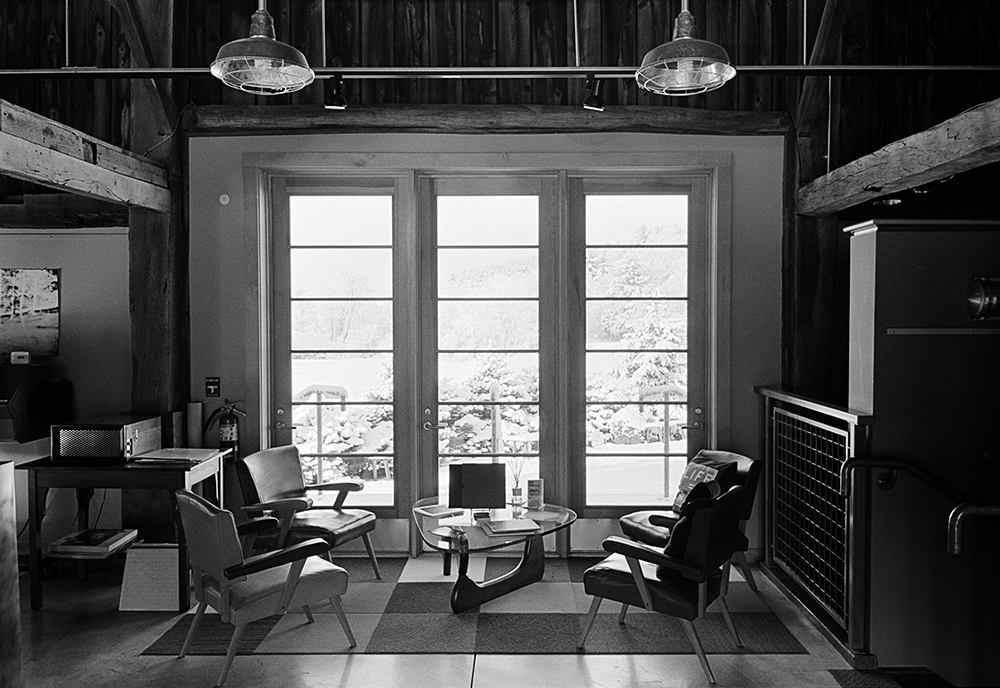
Inside Indian Hill Imageworks

In the image above the shadows (Zone III) were placed on the dark barn board above the windows… the snow outside which was in direct sunlight was 17 stops brighter… this is a straight scan on our Imacon… no dodging or burning! There were no lights on inside the building so it was quite dark. In Photoshop I added a minor “S” curve but nothing else. The grain is very nice and controlled for 35mm. The snow outside the window has nice detail (not sure how well that reads in the online image)… nothing is lost on either end.

Camera: Leica MP with a 28mm lens.

Chemical resources:

I chose TMY-2 for this test as it is box speed in PMK and it is a film I really like… another good choice would be TMAX 100 which is also box speed but with the 3 stop overexposure you have a working film speed of 12… time to break out the tripod!

Viva la Revolution-
Stephen

The Cuboid Multi-Aspect Ratio Pinhole Camera

Click on the video below to watch a 10-minute overview of the new Cuboid multi-aspect ratio Pinhole Camera.

The Cuboid is in final testing now and is expected to be released around December 1, 2009. This is a very limited production camera- at first, only 3 will be available with an additional 6 cameras around March 2010… each is entirely hand-made by Matt Abelson of Abelson Scope Works. The Cuboid will be available exclusively here on the Figital Revolution E Store / Indian Hill Imageworks, so stay tuned!

NOTE: I will be in NYC for Photo Expo on Friday, October 23, with my Cuboid in hand… so if you see me on the floor and want to chat, just give a shout!

Viva la Revolution-

Stephen

A Few of my Favorite Films

AudioBlog LogoClick on the audio logo to listen to this 10 minute discussion on my favorite films both black and white and color and which developer combo I use at Indian Hill Imageworks for the vast majority of my artworks.

When Everything Old is New

AudioBlog Logo

Click on the Audio Blog Logo to listen to this 4 minute audio by Stephen Schaub.
Below is a perfect example of old plus new… the new Lomo Fuji Instax Mini back, which is designed to fit the new Lomo Diana F+ (nice but a bit too sharp for my taste)… but with a bit of work (about 2 hours)  it fits the vintage Diana Camera and Diana clone cameras perfectly and has a resulting look and feel that is amazing!!… more on that soon.

532_0174
Notice nice fit... NO TAPE NEEDED!
532_0173
Now Thats a Thing of Beauty!
532_0175
Perfect fit on the bottom with no light leaks!
color_milltertowndinnerct_aug09diana151mod1
Diner. Exposure 1 second hand-held. Scan from Instax Positive.

Photography in 90 Seconds or Why I Love Instant Film – Part 1

FRInstantTestImageAug09
Fuji FP100C, Polaroid 110B Modified Camera, Vermont. 2009

AudioBlog Logo

Click on the Audio Blog logo to listen to a 4 minute introduction on Instant Photography (Polaroid and Fuji instant films) and the hybrid workflow. This post is an introduction to the upcoming multi part video series here on Figital Revolution so stay tuned.

Artwork Links mentioned in Audio….

Plus- stay tuned for my newest artworks made using instant materials to released later this fall. The show at Indian Hill Imageworks is tentatively scheduled to open on October 3, 2009… more information on that soon as well!

Viva la Revolution- Stephen

Stand Development – Part 1

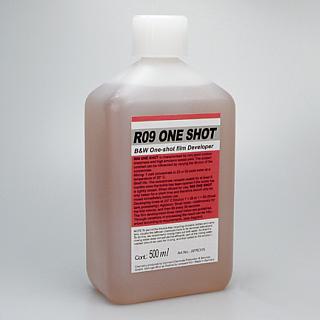
RO9This is part one in a multi-part article on stand development and semi-stand development (BW) for the purposes of scanning. I have been spending much time looking at different dilutions, different agitation techniques, different recipies and I have come up with a good working solution for my tested films that produces perfect results every time.

AudioBlog LogoTo listen to the audioblog portion of this post … just click on the Audio Logo.

Many of you know I really like Diafine Developer (I have written several articles here on its fantastic qualities for scanning)… the techniques I am about to outline have many of the advantages of Diafine but with finer grain and better highlight separation.

Before we get started, here is a shopping list if you want to try this technique for yourself:

Film: Fuji Acros or Kodak TMY-2 (New TMAX 400)
R09 “One Shot” Developer (Rodinal Replacement)
Kodak Xtol Developer
Ascorbic  Acid
Borax
Or you can use 20 Mule Team Borax found at most Supermarkets.
Distilled Water (a few gallons)
Plus you will need, of course, your standard darkroom chems: stop bath, fixer, and hypo.

Stay tuned for Part 2 in two days!

Viva la Revolution- Stephen

Ethical Note: I do not endorse any vendor of photographic material over another. The links provided above are just an easy source to find the materials needed but by no means are the best or only source.

Kodak Retires Kodachrome – So What Now?

Kodachrome1935Boxand2009Box
Kodachrome 1935 Box and 2009 Box

We all knew this day would arrive: when the iconic Kodachrome film would be retired. This film that has been with us for 74 years is intertwined with the very fabric of our photographic history, images, and emotions. Last week I was invited to a “secret” meeting at Kodak to hear the news and to discuss the future of film in our industry. There were 3 other industry experts in attendance:

AudioBlog
Kodachrome Interview

After leaving the meeting I do feel convinced as to Kodak’s ongoing support for film photography and the belief that both film and digital should coexist… it’s best for the photographic industry… with a capital letter “P”.

Listen to the audio-blog portion of this post by clicking on the audio logo to hear a 10 minute conversation between Stephen Schaub and Eve Ogden Schaub with further insights on this mission to Kodak and what it all really means.


And what post on Kodachrome would be complete without the required Paul Simon song…

PS- there is even a state park named for Kodachrome:

Kodachrome Basin State Park

Here is a link to the sole processing facility for Kodachrome films… I’m sending some this week!

Dwaynes Photo

Click here for the official Kodachrome retirement press release from Kodak.

Viva la Revolution- Stephen

Kodak BW400CN, Fantastic Misunderestimated Film

Many of the chromogenic (C41) process black and white films get mixed reactions on the web from working photographers, but my recent and continuing exploration of Kodak BW400CN has changed everything in my mind and in a very good way. To listen to the audio portion just click on the audioblog logo.

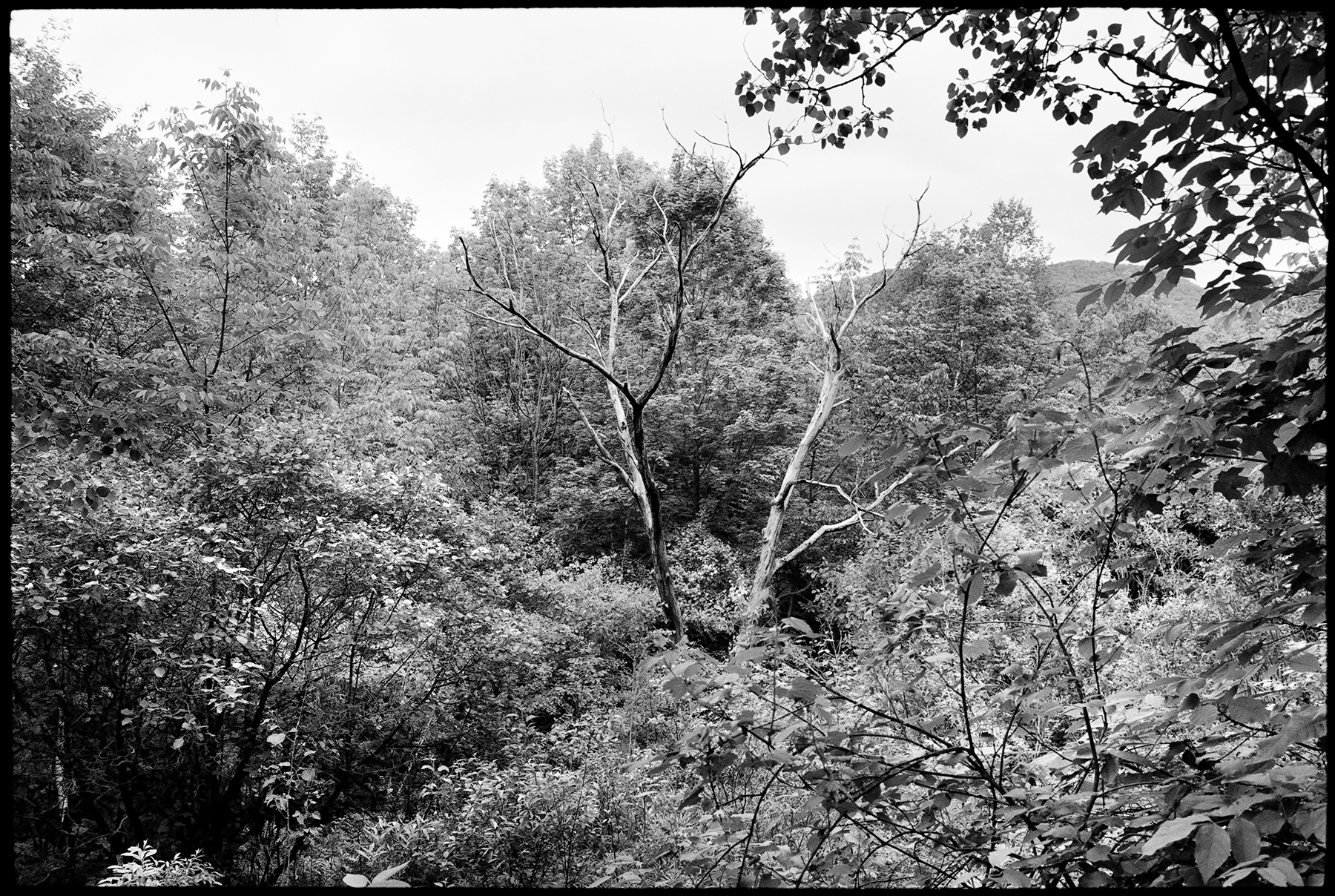
AudioBlog LogoTest Image: Kodak BW400CN exposed at box speed (400) and scanned on an Imacon Scanner. Minor contrast and density adjustment were applied in Photoshop CS3. Negative was made using a Leica M7 with a 28MM Elmarit F2.8 ASPH lens. Please note the file is larger than most here on FR so you can really see the stunning tonal range and detail. One additional note on the weather here in Vemont… it has been raining a lot and as such this image was made on an overcast day, thus the gray sky.

BW400CN_400