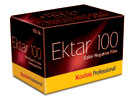
New Kodak Ektar 100 Film – Part 1

I was lucky enough to get a brick plus (35mm) of the new Kodak Ektar film at Photo Expo Plus in NYC… so when I returned to my studio in Vermont I quickly loaded my Leica M7 with a roll and decided to make a few “test” shots around my yard.

Image Results:

The Full Size image is a 20″ x 30″ print- the crop represents a 4″ x 4″ section of the full size.

Testing Specs:

  • Leica M7 with Leica Summilux 50mm 1.4 Lens
  • F 5.6 at 1/125, Hand-held
  • Film was rated at Box Speed (more on this later…)
  • Scan was done on an Imacon with NO sharpening applied, scanned at 6300 dpi.
  • Photoshop work was limited to white point and black point, no color correction, no noise reduction, no sharpening, no curves…

Image Size/ File Size Info:

  • 309 MB file at 300 Optical DPI, 16 Bit
  • 20″ x 30″ Print Size

Initial Thoughts:

This new offering by Kodak has very tight grain (this is 35mm folks!!) with good, bold color but still “neutral/ natural” in feel. My initial feeling is that it is a bit slower than box speed (normal for most negative material). On my next test roll I will rate it around 50-64 which should be perfect (with color negative material its better to be safe than sorry with regards to your exposure!). Box Speed (ASA 100) is usable, but under difficult lighting situations underexposure is just too great a risk. So far… I am very impressed…stay tuned for Part 2 in a few days.

Viva la Revolution!

The Photographic Project

Ever wonder why or how to start a photographic project? Many photographers I know shoot and shoot with the idea that at some point they will edit and a project or maybe even a book will appear!…the tooth fairy may also appear but don’t bet on it. In this audioblog I outline my method for starting a new photographic project along with specific project examples. Give a listen!

The Photographic Purist

I hear this term used alot nowadays… “I’m a purist” or “I never manipulate my images as I want the pure photographic image” – give me a break! This audio blog explores this concept and the damages it is causing to photographers everywhere. Give it a listen. By Stephen Schaub

The Nightmare Print

Every photographer has his or her own “nightmare” print story- some more than one! In this audio blog I discuss how I (Stephen Schaub) work through a nightmare print at Indian Hill Imageworks- give a listen!

Hariku Paper, “Cloud Dragon Paper”, as mentioned in the audioblog as well as the “Nightmare” Print.

Why Take Notes?- Exposure Data Sheets & More!

This informative audioblog provides many good examples on why to take notes for each exposure whether you shoot film or digital! Additionally, I suggest that there is more to good notes than just the f-stop and shutter speed…give a listen. By Stephen Schaub.

Example Exposure Data Sheet.

Thoughts on the New Mega-Pixel Monsters

The Mega-Pixel wars are still hot with the introduction of Hasselblad’s new 50MP Digital Back (H3DII-50) and Phase One’s new 60MP Digital Back (P65+)…but, really, who is the market for these new bleeding-edge systems? Does anyone really need 60MP? Can anyone besides my dentist really afford it? Click on the audio logo for more! By Stephen Schaub.

Super-Size Me! What’s Up with Big Digital SLRs?

Is it just me or are cameras getting really big…I mean SUV big? Have you also noticed your aunt Minnie now carries one of these beasts for her casual pictures of roses and nephew Timmy? So… what gives? Click on the audio logo for a 6 minute thought-provoking discussion on the enigma by Stephen Schaub.

Vanishing Vermont and the Hexomniscope

 Exciting news! I have just begun a new project called Vanishing Vermont which, when completed in a year or so, will be a show and book (co-authored with Eve Ogden Schaub) more information as the project develops…
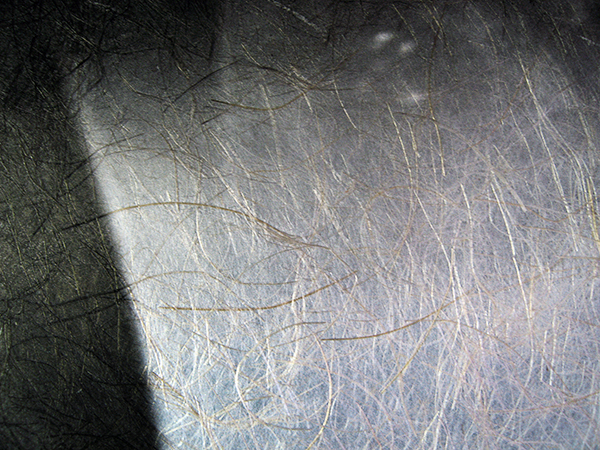
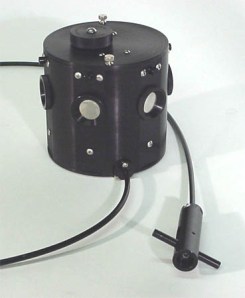
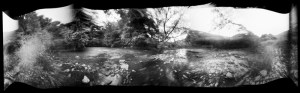
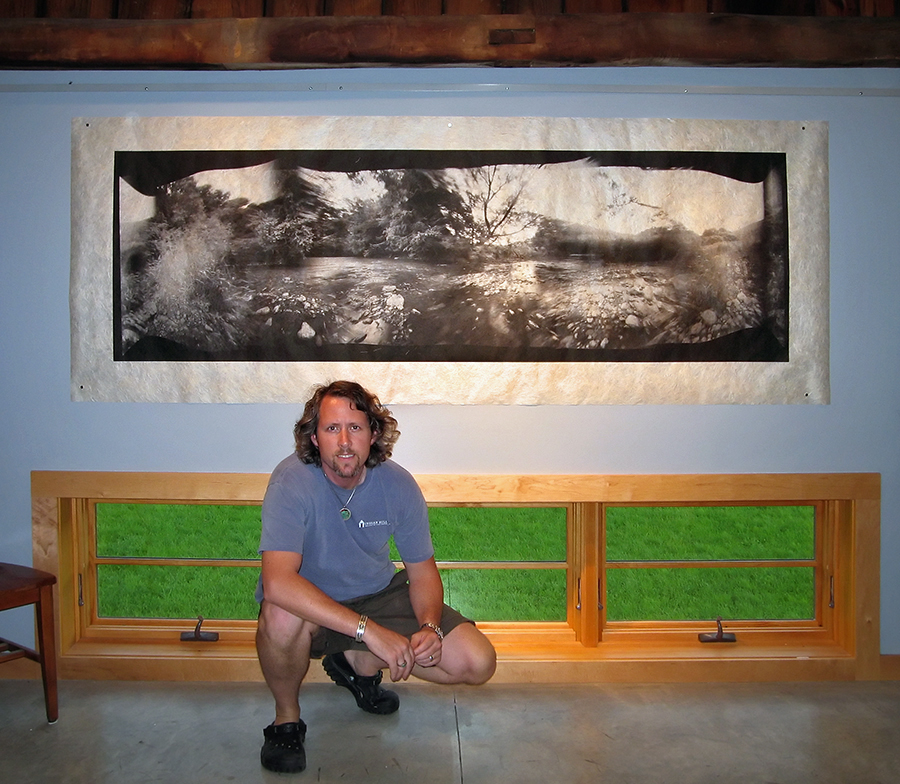
Meanwhile, I have spent the last few months testing different pinhole and zone plate camera systems and have settled on the Hexomniscope by Ableson Scope Works for these new artworks. I’m still in the early stages of working with this new system but the flexibility is amazing (as are the huge 6×17+ cm negatives!) Images are printed on Japanese Kinwashi as a d’Vinci Noir (image size: 28″ x 90″.) The camera is really quite small and weighs in at around 3lb.

I am off to California tomorrow for a bit of shooting (Yes with this camera) so stay tuned for a full report when I return.

In case you are wondering….Film: Fuji Acros processed in Diafine (of course), 360 degree image (6 images), 8 minutes at f/180.

Viva la Revolution!

Avoid the Photoshop Black Hole- Keep it Simple!

This informative, 5 minute audioblog provides thoughts and techniques on using Photoshop as a quick responsive tool! Find out which four core tools you REALLY need to know and avoid the endless black hole that captures so many photographers working in Photoshop. By Stephen Schaub

Wiki Black Hole Info

The 5 Minute Zone System

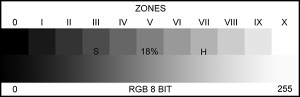
This short audioblog (under 5 minutes) will give all photographers who want better control over their exposure when using black and white roll films a quick and easy working solution: The 5 Minute Zone System! This is not your grandfather’s full-bore Zone System but rather a user-friendly method for predictable, repeatable results! Just click on the audio link and give it a listen… Viva la Revolution!!

More info on the FULL-BORE Zone System: Click Here!