
One thing I forgot to mention in the video is just how SHARP the lens is— really makes a huge difference when working with Fuji Instax materials.
To contact Patrick visit: https://www.facebook.com/polaroidconversions
One thing I forgot to mention in the video is just how SHARP the lens is— really makes a huge difference when working with Fuji Instax materials.
To contact Patrick visit: https://www.facebook.com/polaroidconversions
F-You Fuji!
Not much more to add…. off to the cape to shoot for a few days. I’m not bringing ANY Fuji material—
Viva la Revolution- Steve
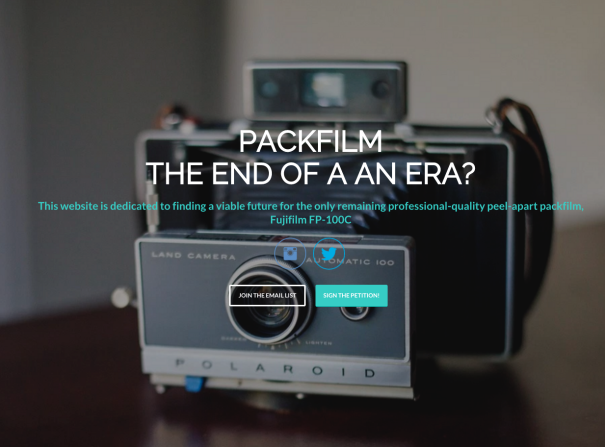
A lot has changed in the last few years regarding the survival of film, photographers are now making direct appeals to manufacturers and gaining support from other shooters in a global effort to save our materials. Perfect examples of this success: Impossible Project instant materials, CineStill and their new successful Indiegogo campaign, New 55 instant material, Film Ferrania and now perhaps Fuji FP-100C, only time will tell.
And then there is cool stuff like this video on how to shoot wet plate with your pack film camera!
Viva la Revolution- Steve
By now we have all heard that Fuji is discontinuing this amazing film, FP-100C- right?
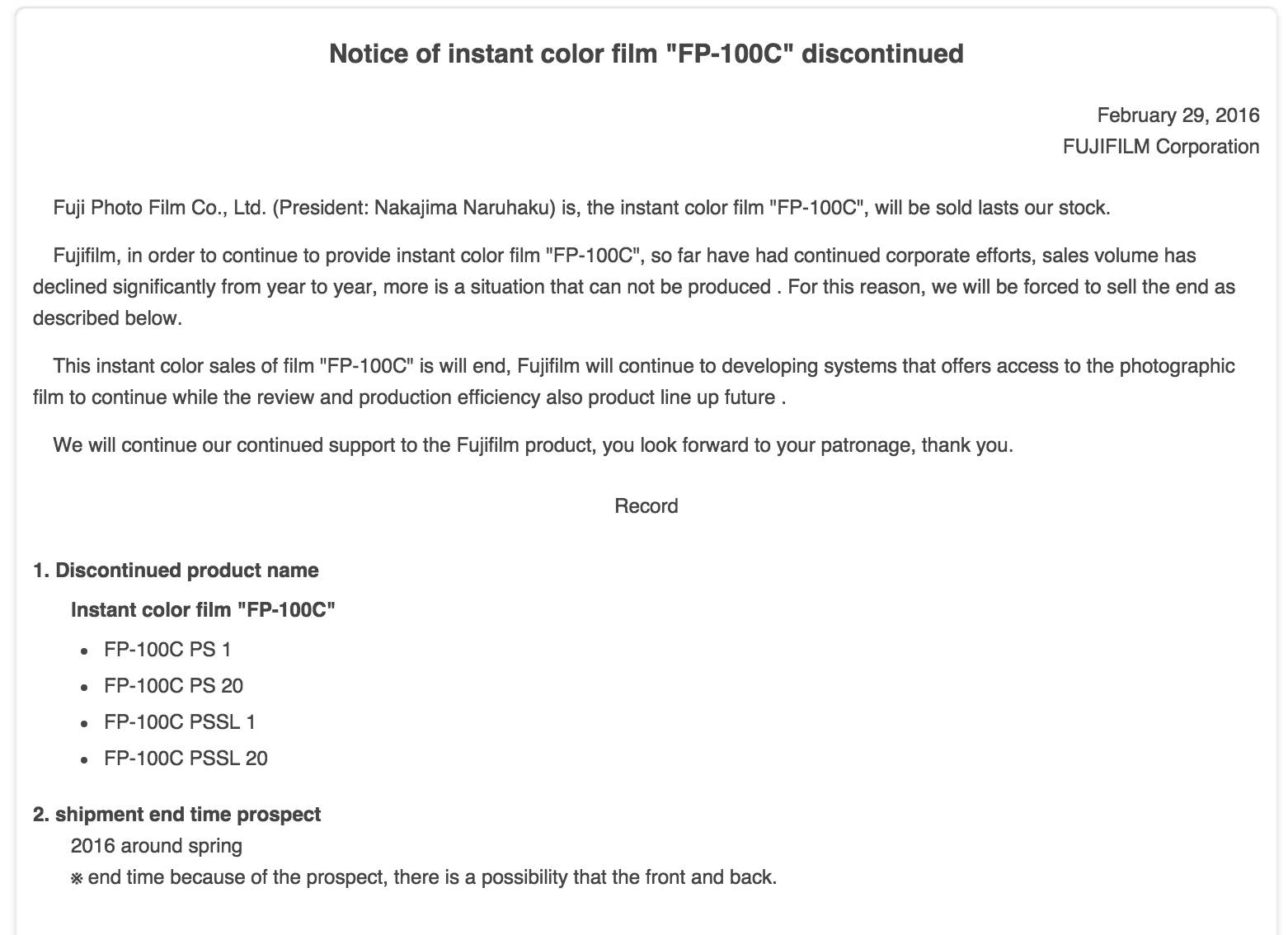
Shit! Shit! Shit!
If you’re like me, and a fan of this material, right now you’re asking, what am I going to do? Well, you could just buy a lot of this film and stick in the refrigerator unopened and get a solid 8-10 years… But here’s a question: can you freeze it?
In fact, contrary to popular belief you can freeze Fuji FP-100C. But how can this be, you ask, without the PODS bursting? Yes, Polaroid PODS burst when frozen, BUT Fuji PODS are constructed of a different material and as such they don’t suffer the same horrible fate.
Here is the test I ran trying it out. I call it The Han Solo Test:

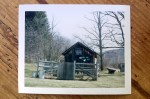
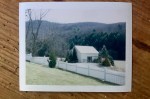
Now, can I guarantee this process will work 100%? Nope… but it did work for me. AND I have another box in the freezer that I will leave for 1 year as a long-term storage test, so look out for that follow up article in January 2017!
In conclusion my thoughts are…. buy a lot of this material and put in your refrigerator using a vertical orientation. Shoot as you normally do- it’s great film and I, for one, am going to enjoy shooting it. Once a box of film gets several years past its expiration date, (and if they have been stored in a vertical orientation in the refrigerator during this time) move them to the freezer using the steps I outlined above. This should give you even more leeway on the life of this film.
Did I mention the vertical orientation? Just checking.
I also plan on running the same test with the same freeze-to-warm process outlined above with some Fuji Instax Wide material this month, so stay tuned…
Viva la Revolution- Steve
UPDATE: please take note that I am not telling you to freeze this film now as there is no reason to do so as the current stock is quite fresh and will live for many years in a refrigerator. I will do an update in one year so we can have more information on long term storage.
Link to Part One Review New55 PN Film
Click on the image below to see a larger version with additional zoom.

Very cool!
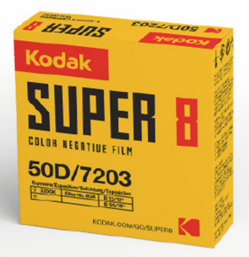
http://kodak.com/ek/us/en/consumer/products/super8/default.htm?cid=go&idhbx=super8#
“This is no longer the classic script of a war of digital versus analog,” Mr. Clarke said. “What it really is now is the complementary characteristics of both.” — Jeff Clarke, Kodak’s Chief Executive
An informative and engaging video on the history and science of lenses…. perfect way to start out 2016!
LINKS:
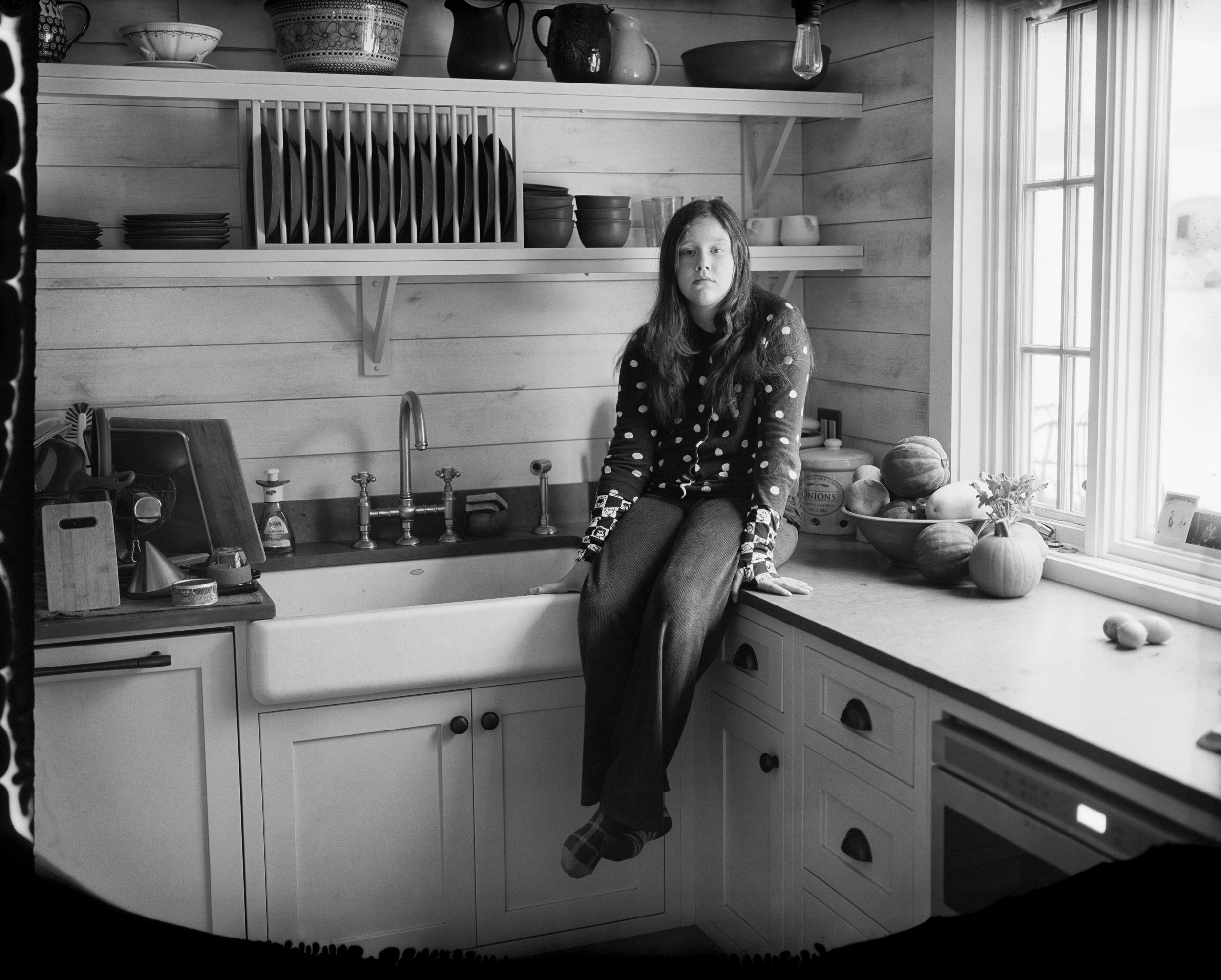
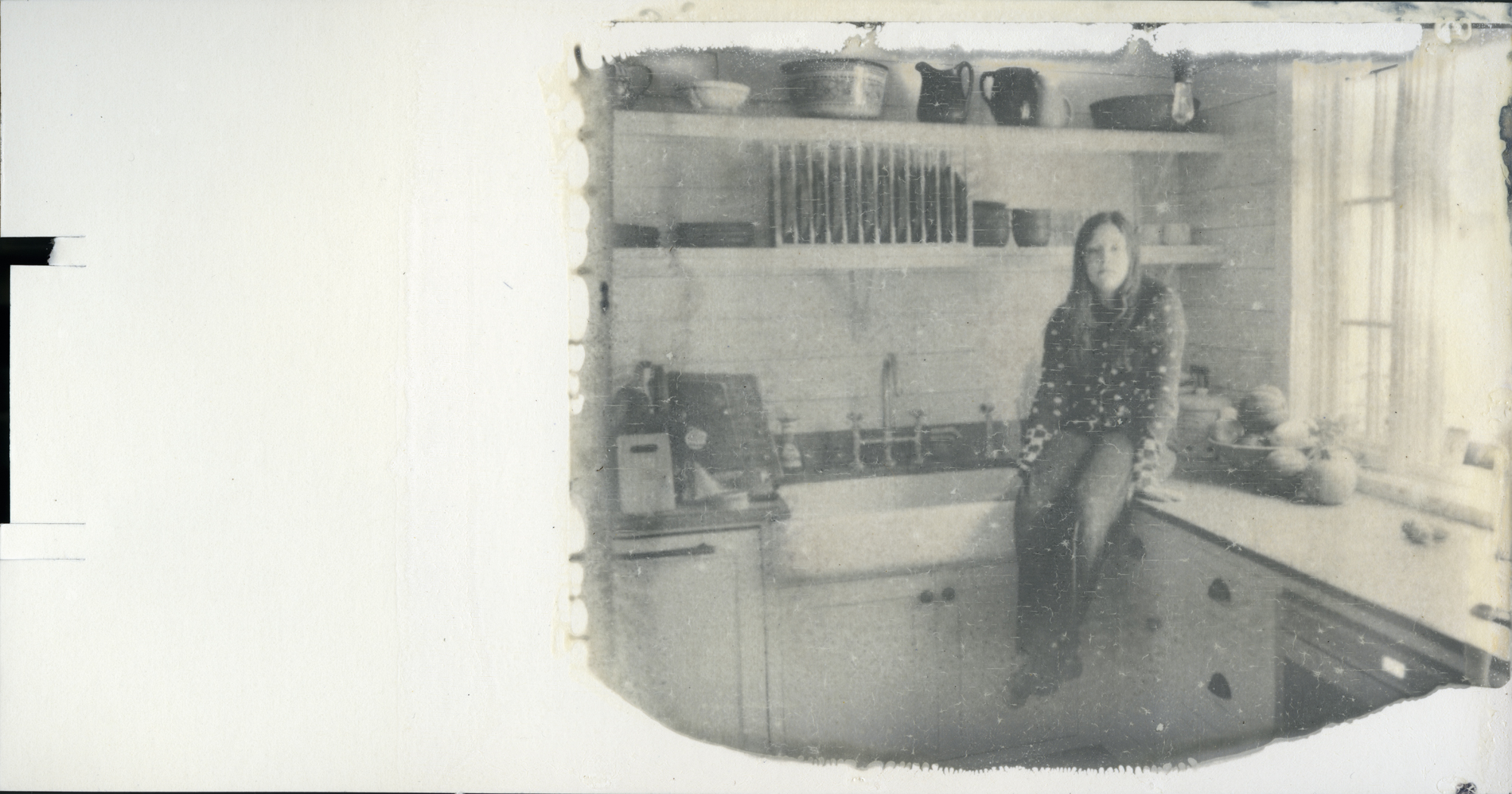

After promoting this on Kickstarter and here on FR I finally caved in and purchased separately a batch of this material for testing/ review as I wanted to get it done in 2015!
Stay tuned for my thoughts on this new material sometime next week….
Viva la Revolution- Steve
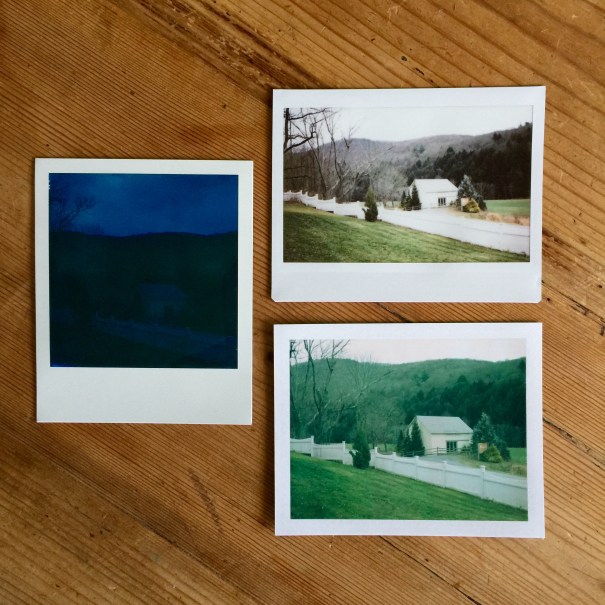
Yep, it’s that time of year when shooting instant films poses an extra challenge– how to keep the film warm for processing! Over the years I’ve invented different heater boxes to keep materials warm with varying degrees of success. However this year I’ve decided to run a quick test to see just how adaptable these materials are at lower temperatures.
Testing Procedure:
All three cameras: SX-70 with 600 Color Impossible Film, Polaroid 110B with Fuji FP100C and the Fuji 500AF with Instax Wide were left outside in 32F for 45 minutes. Then I shot one image with each camera and left the film to process outside again in 32F for an hour. Then I brought the images inside and made a note of its development stage and then allowed it to continue to process at 70F for an additional hour- I did not peel the 100C film apart till the end of the testing time. The results are pretty interesting….
Let’s go through them one by one:
Impossible Color 600 (newest version, left square image)
Not much happening here… these films as I have mentioned before are VERY sensitive to temperature changes and working in the cold with this particular material requires a plan for keeping not only the camera warm when loaded but also the film for the full development time which is around 35-45 minutes. Add to that the requirement to shield the image from light till development is finished and it is a tricky juggling act.
Fuji Instax Wide (top right)
Fuji Instax Wide is quite the durable material. This film also continued to process during the warm phase of the testing- not a lot but the black did add additional density and the colors became more saturated. While the color and contrast are off they are not off much and it would be very easy to correct for the cold effects in Photoshop.
Fuji FP 100C (lower right)
Fuji FP 100C really did a great job with regards to contrast and tonal range BUT the color shift is quite obvious— Green! Of course a lot of that shift is from an extended period of development which tends to shift green anyways regardless of the temperature. I almost always leave my FP-100C to self terminate in development (5-10 minutes is normal for me) as I don’t really want to have to stop shooting and watch the peel time depending on temperature. Overall this would be a very easy color correction to do in Photoshop and again the tonality and contrast are the best of the group.
Conclusion
Sample images from above with quick photoshop color correction.
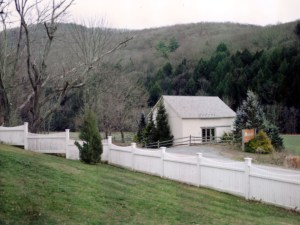
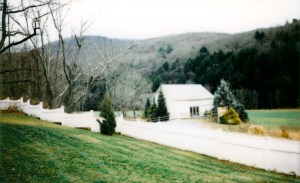
If you are going to shoot in cold weather try to keep your loaded camera warm at all times and keep the developing film warm as well for best quality. The Fuji Instax wide and the FP100C were the most robust in the cold, I suspect if I had pulled the film apart earlier the test the color would be closer. I also found in the color corrected images above that the FP-100C was much closer to the color and tone of the actual scene whereas the Instax Wide gained a fair amount of contrast and was harder to keep the saturation and contrast balanced. Impossible Color 600 would not be a recommendation unless you have, as I have stated above, some degree of controlling the development temperature, clearly essential for this material.
Viva la Revolution- Steve
 Figital Revolution