Unplugging Your Paper

I spend a lot of time testing and re-testing my materials so that when I need to make a print I can make it perfect the first time. One of the biggest difficulties with printing on uncoated papers is the paper getting plugged up (this a huge problem with the introduction in many new printers of 9+ inks…that’s a whole lot of fluid!) The solution can be simple (note: its not Pepto Bismol) so give this audioblog a listen!

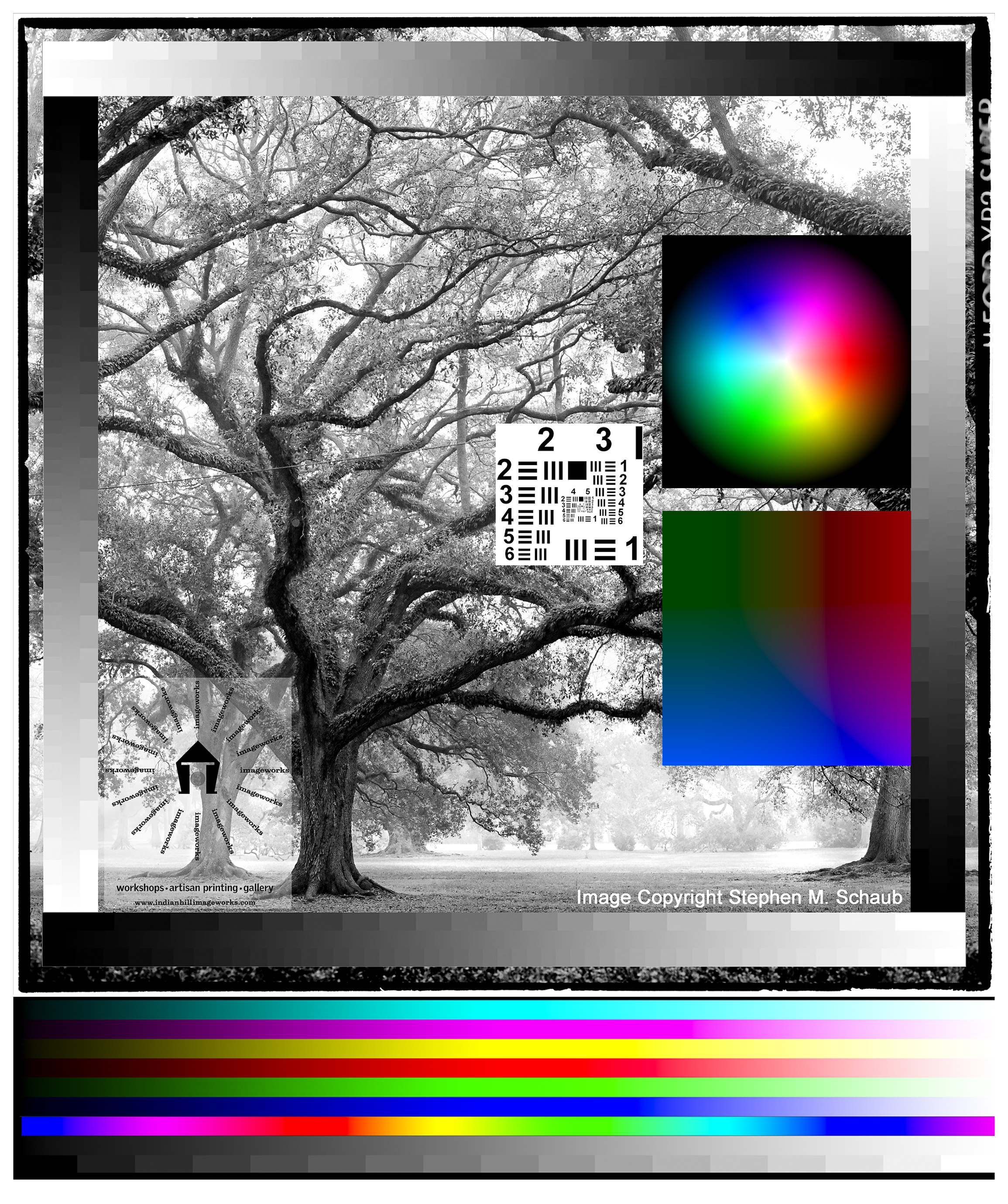
Below: Hariku Example and Link to Test Target!!

The Photographic Project

Ever wonder why or how to start a photographic project? Many photographers I know shoot and shoot with the idea that at some point they will edit and a project or maybe even a book will appear!…the tooth fairy may also appear but don’t bet on it. In this audioblog I outline my method for starting a new photographic project along with specific project examples. Give a listen!

The Photographic Purist

I hear this term used alot nowadays… “I’m a purist” or “I never manipulate my images as I want the pure photographic image” – give me a break! This audio blog explores this concept and the damages it is causing to photographers everywhere. Give it a listen. By Stephen Schaub

Processing Color Film in Diafine Developer

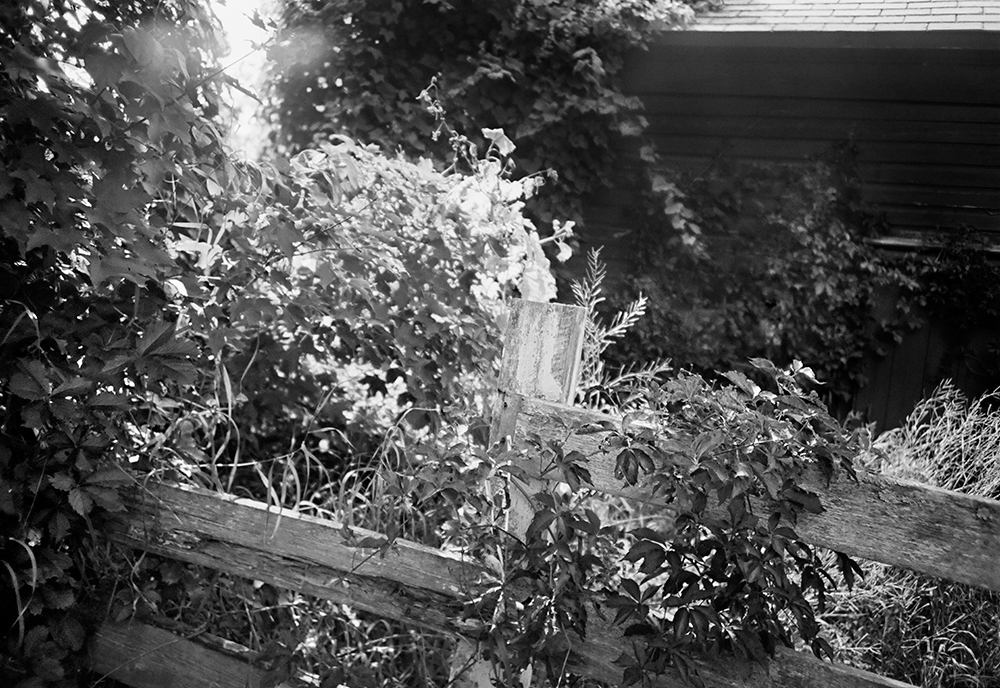
I’ve read mixed reviews about this concept online so I decided I needed to try it myself. I chose Ilford XP2 Super and Kodak BW400CN, both in 35mm as test films. My results were mixed…the Ilford out-performed in my opinion the Kodak (with regards to tonal range as the Kodak was much harsher) but was anything gained over say TX or 125PX in Diafine?…you be the judge. I will say that the look of a print made using this technique is different and in some cases could be used in a very creative way. The test image was shot with a LOMO LCA+ with the Ilford XP2 Super rated at EI 200. Be sure to click on both images to see them at a larger size.

Tech Notes:

  • EI Range for full expressive negatives: 100 – 200
  • Diafine Developer at 80F!!!!
  • Part A for 5 Minutes with two inversions at the start of each minute.
  • Part B for 5 Minutes with two inversions at the start of each minute.
  • Wash for 2 Minutes
  • Fix: 5 Minutes or package suggestion.
  • Wash 5 Minutes
  • Perma Wash: 2 Minutes or package suggestion.
  • Final Wash, LFN and Dry!

I have also found that these negatives scan really nicely using most generic gray scanner profiles and the grain is there but acceptable for a process such as this. Give it a try!

Viva la Revolution!!!!

Final Note: The LOMO LCA+ is a Zone Focus camera and as such comparing the sharpness to say a Leica is a real mismatch…but the LOMO has an amazing quality all its own!

The Rumors of Paper’s Death Are Greatly Exaggerated

Recorded in response to an article on the Luminous Landscape website by Bernard Languillier which raises many questions, among them: does paper matter? Are paper’s days numbered? Should we paper-huggers, in fact, all just hang it up and go home in the face of a brave-new-world of LCD and Plasma screens?

Not necessarily… give a listen.

Link to Article on Luminous Landscape: http://www.luminous-landscape.com/essays/disembodiment.shtml

The Nightmare Print

Every photographer has his or her own “nightmare” print story- some more than one! In this audio blog I discuss how I (Stephen Schaub) work through a nightmare print at Indian Hill Imageworks- give a listen!

Hariku Paper, “Cloud Dragon Paper”, as mentioned in the audioblog as well as the “Nightmare” Print.

Scott Bridge, The Hexomniscope and Diafine Developer

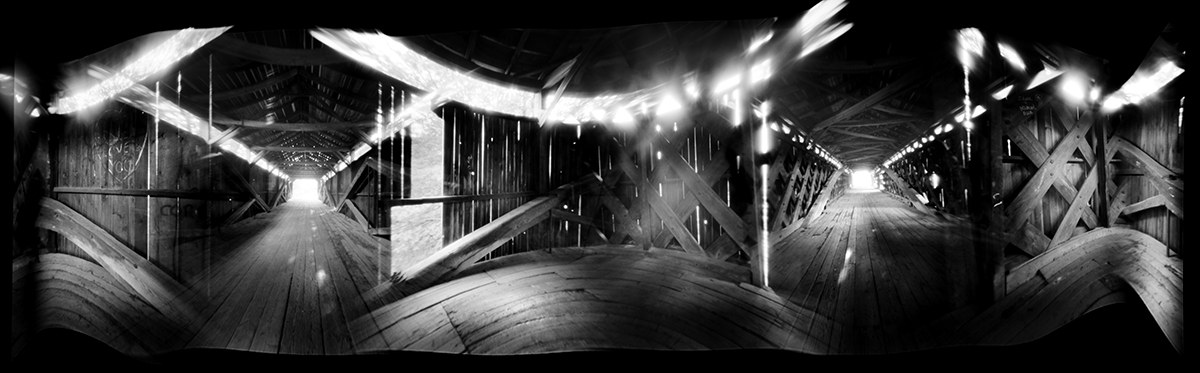
Scott Bridge from the Vanishing Vermont Series.

I’ve written extensively on this web site about the qualities of Diafine Developer and different Black and White films for the purposes of scanning. Here is an example of Fuji Acros 100 (EI 160, 120MM) shot with my Hexomniscope Pinhole Camera by Abelson Scope Works and processed in Diafine Developer….did I mention that the exposure was F205 at 37 Minutes?! The final print size is 28″ x 90″ and is printing as I type!

Viva la Revolution

Why Take Notes?- Exposure Data Sheets & More!

This informative audioblog provides many good examples on why to take notes for each exposure whether you shoot film or digital! Additionally, I suggest that there is more to good notes than just the f-stop and shutter speed…give a listen. By Stephen Schaub.

Example Exposure Data Sheet.

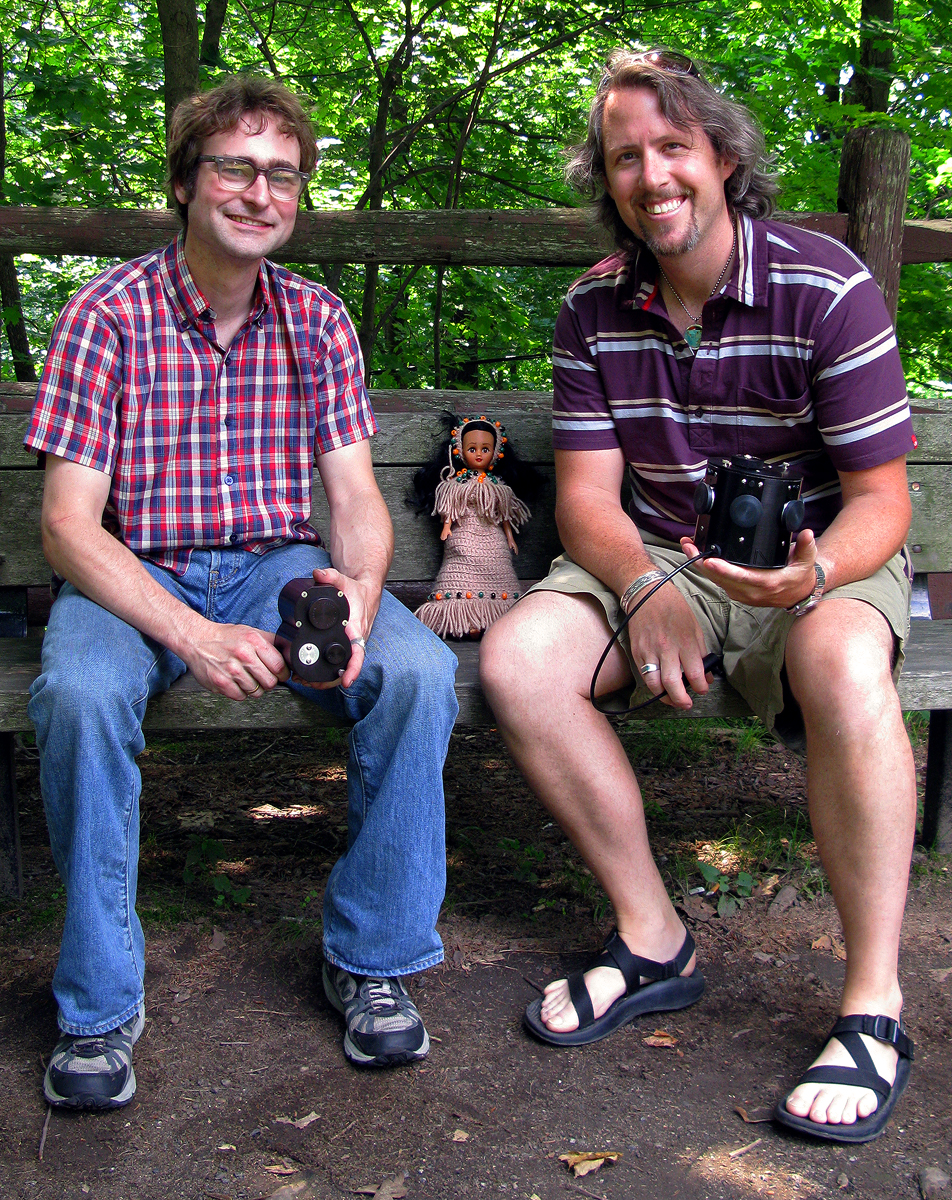
Pocohontas Meets Matt Abelson and Stephen Schaub

Pocohontas Meets Matt Abelson and Stephen Schaub, Brattleboro, VT. 2008

Listen to this exciting interview with Matt Abelson of Abelson Scope Works as he talks about his Pinhole Camera Systems(Hexomniscope, Omniscope and Pinhole Turret). Interview by Stephen Schaub.

Note: The Omniscope is in Matt’s hands (left) and the Hexomniscope is in my hands (right)…Pocohontas is just along for the ride.  Also, as mentioned in the audio blog please post questions to Matt Abelson here in the comment section under this post and I will pass it along to Matt so that the questions and answers can accompany this post for the benefit of all.

Viva la Revolution!!