That’s right! The FR is now at over 250,000 hits and I am busy working on several new articles to include:
1. Film selection for Pinhole Photography
2. How to Talk to Your Printer
3. Rodinal Standing Development and TMY-2
4. How Small is Your Tripod
5. The Zero Image 612F and Zero Image 2000 Camera Hands On Review
I always like to get email and notes from photographers who use information gathered here on FR or who use the products I make for their artworks… I just received this email and photo (see below) from Richard Selwyn… very cool… literally!
Richard’s Email Text: A few photos for you from Argentina, Patagonia (ektar 100 film, 35mm lux or WATE). We had a great time and your bag was amazing. Was really harsh conditions – trekking in winter with some v bad weather. The bag worked beautifully and was even better because it is so light and hard wearing. Thanks also for sending the bag through to me quickly.
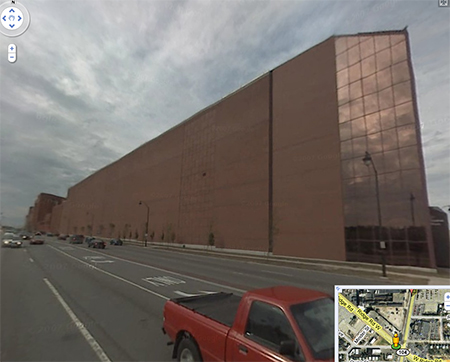
Click on the Audio Blog logo to listen to a 5 minute discussion on film production today at Kodak and how it has changed from the above video from 1958 “How Film Is Made… for your camera“. The audio references my recent trip to Eastman Kodak and a white light tour of Bldg. 38 where all films made by Kodak are produced from Ektar to TX to motion picture. The video below is of our group getting ready for the tour.
Here is a quick informal video review of the new Kodak Zx1 HD video recorder. I have used for videos here on Figital Revolution everything from a Canon G9 to the Vado HD and now the Kodak Zx1. I find devices like these are great not only for the obligatory family videos but also for use in documenting your photography… think of it like a video journal.
As I said in the video this is not the perfect pocket video recorder (I’m still looking) but for my works/ travels the weather seals, extra durability and 60 frames per second make it a good choice and at the retail price of $149 it is hard to beat.
NOTE: If you want to watch the video full screen be sure to turn the HD mode on (upper right corner of the video box)- for smaller play I find the standard resolution (HD OFF) is perfect.
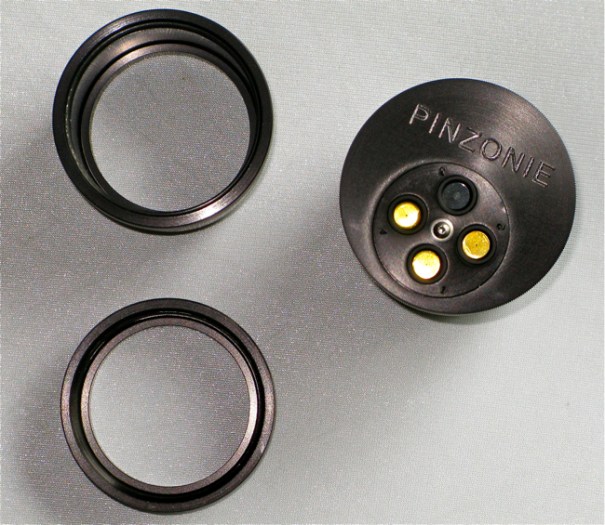
Most pinhole images are made using a pinhole that is very close to- or at the optimum size for- the chosen focal length and in most cases this is a good choice for general photography: it lets you get the best quality image a pinhole can produce. That being said, while testing the PinZonie I have been experimenting using pinholes that are in some cases up to 2 stops more open or closed than the optimum setting and really liking the creative options it gives me.
As I always say… experimentation is key!
Trees in Afternoon Light, Massachussettes. 2009
From the Negative Series
28mm PinZonie, Pinhole Setting, -2 stops from optimum
Kodak BW400CN, Scanned on an Imacon Scanner
d’Vinci Noir Print on Hand-made Bhutan Mitsumata Thick White
Copyright Stephen Schaub 2009
We all knew this day would arrive: when the iconic Kodachrome film would be retired. This film that has been with us for 74 years is intertwined with the very fabric of our photographic history, images, and emotions. Last week I was invited to a “secret” meeting at Kodak to hear the news and to discuss the future of film in our industry. There were 3 other industry experts in attendance:
After leaving the meeting I do feel convinced as to Kodak’s ongoing support for film photography and the belief that both film and digital should coexist… it’s best for the photographic industry… with a capital letter “P”.
Listen to the audio-blog portion of this post by clicking on the audio logo to hear a 10 minute conversation between Stephen Schaub and Eve Ogden Schaub with further insights on this mission to Kodak and what it all really means.
And what post on Kodachrome would be complete without the required Paul Simon song…
PS- there is even a state park named for Kodachrome:
As promised the second installment of the PinZonie System. Featured today… the 50mm, 75mm, 90mm and 135mm set for the M Mount. For more information visit www.pinzonie.com or just click here.
The PinZonie is a modern interpretation of historic imaging solutions: the Pinhole and Zone Plate. An exciting collaborative project between Matt Abelson of Abelson Scope Works and Stephen Schaub of the Figital Revolution, the PinZonie is a must-have creative tool for the alt-process photographer. For more information click on the PinZonie or visit www.pinzonie.com
Click on the Inside Analog Photo icon to listen to a 37 minute interview of yours truly on a wide range of topics including: film, scanning, printing, and thoughts on the hybrid workflow. Interview is by Scott Sheppard, Executive Producer/ Anchor Inside Analog Photo.
You can also download the podcast at itunes… here is the direct link:
The twelfth installment of the One Minute Rant. Each audio is one minute or less and focuses on a very specific topic to engage readers here on the FR to comment and start a dialogue! Just click on the RANT logo to listen.