
Click on play button to listen to the review:
Images: click on each to view larger….
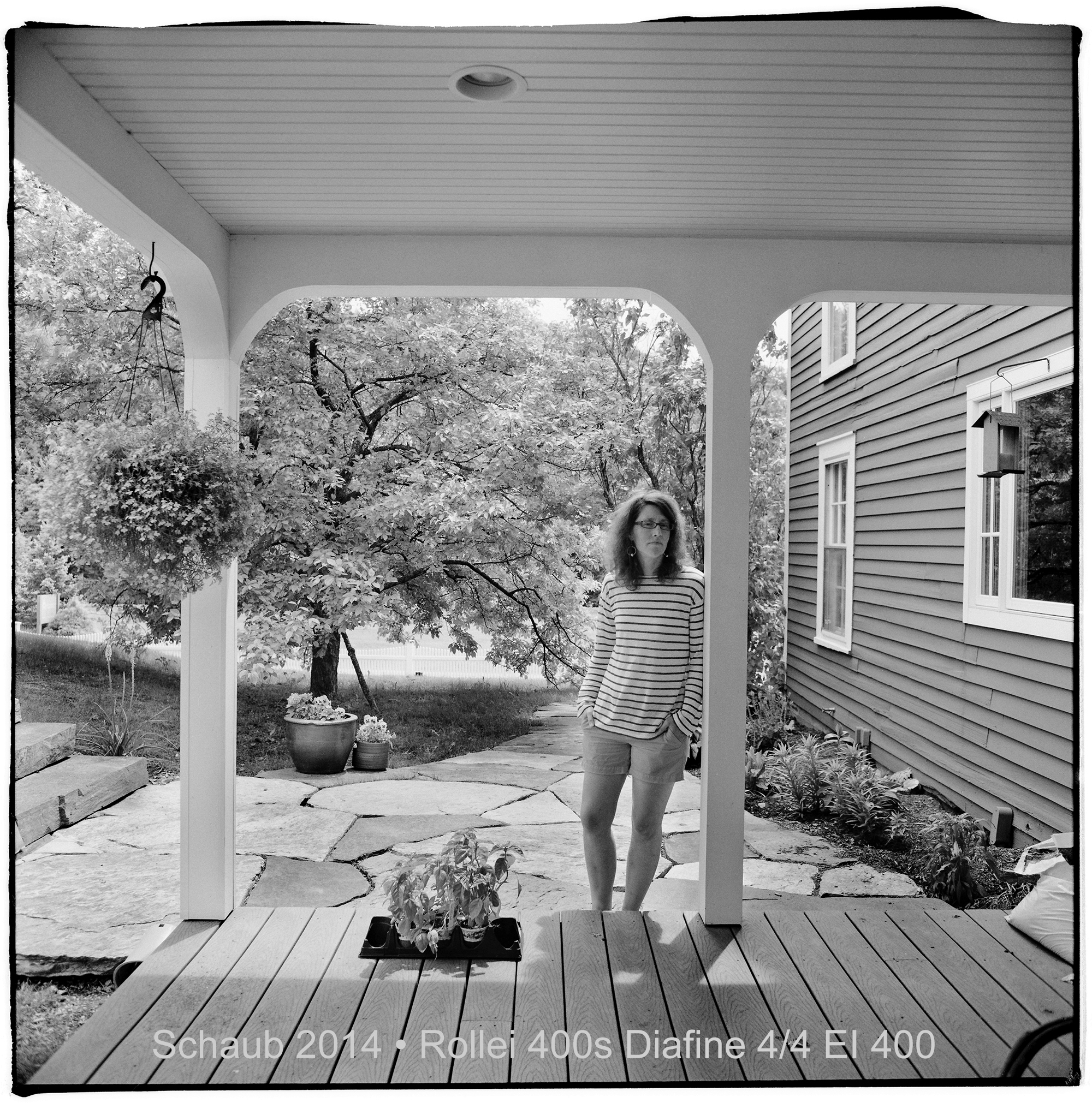
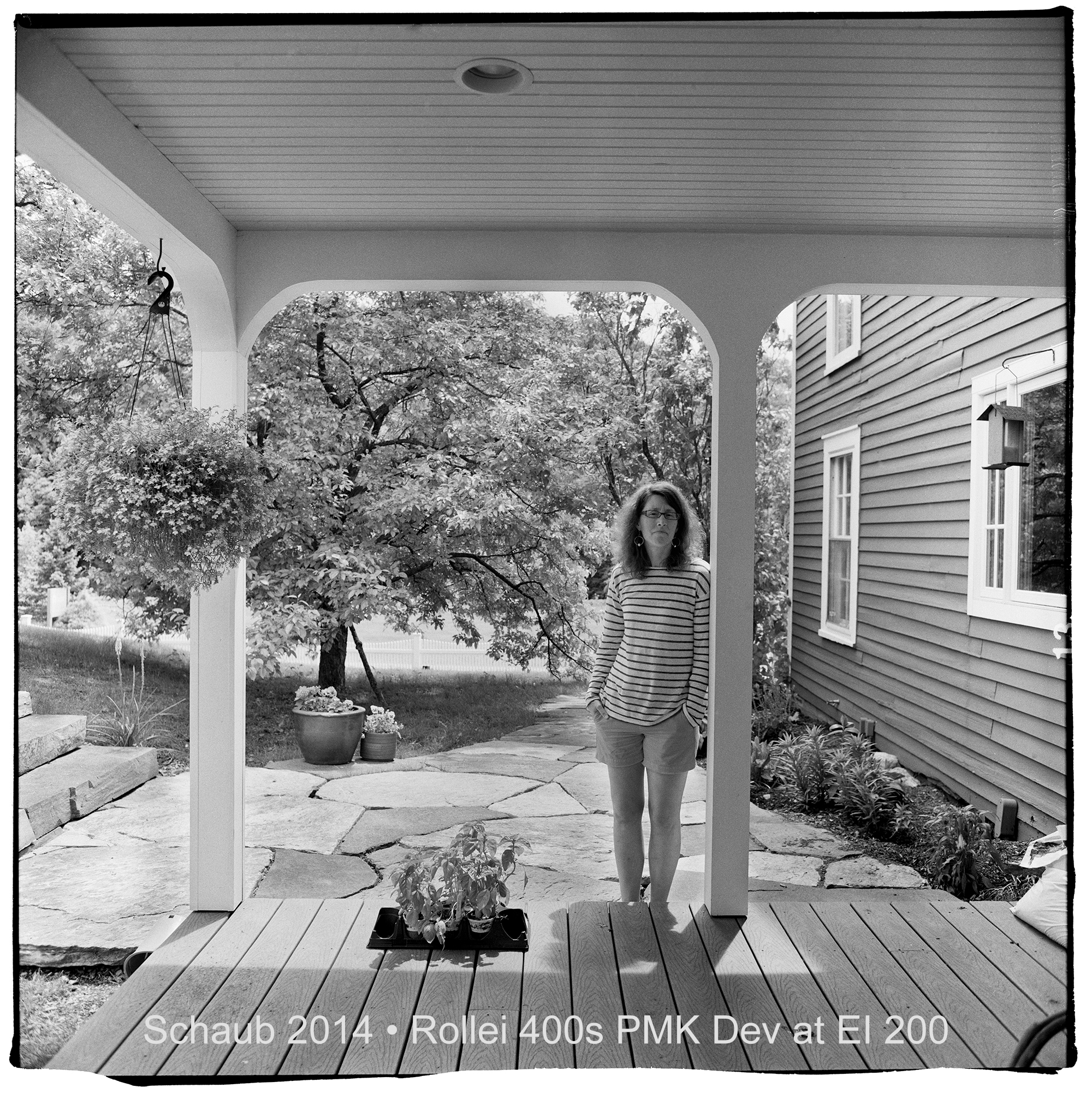
Film Data Sheet: Click Here
additional reading: www.martinzimelka.com/pages/Rollei_Retro400s.html
Viva la Revolution- Stephen
Click on play button to listen to the review:
Images: click on each to view larger….
Film Data Sheet: Click Here
additional reading: www.martinzimelka.com/pages/Rollei_Retro400s.html
Viva la Revolution- Stephen
Stay Tuned!
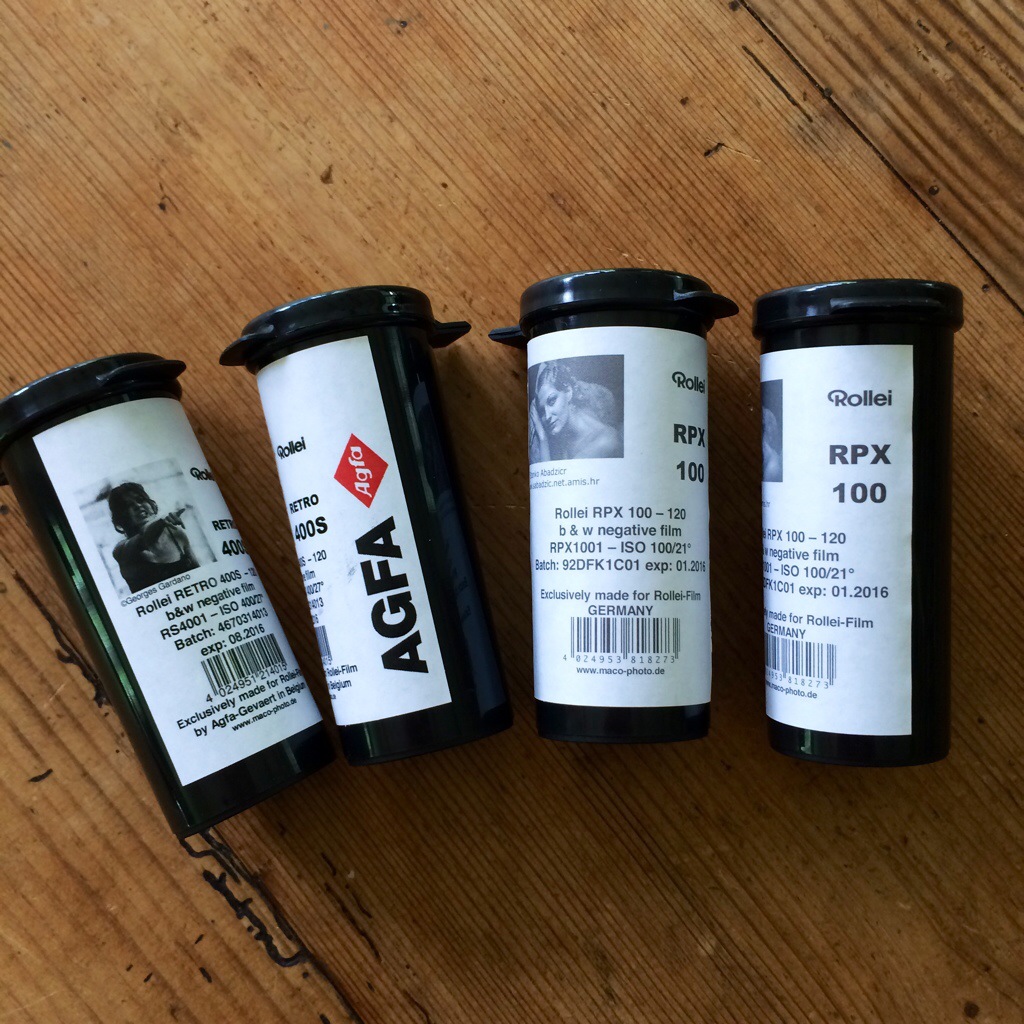
Click on the audio play button to listen to my review of this great classic film!
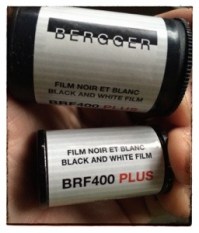
Bergger BRF 400+ at EI 6400!!!!! A very low light test….. click on the image to see larger.
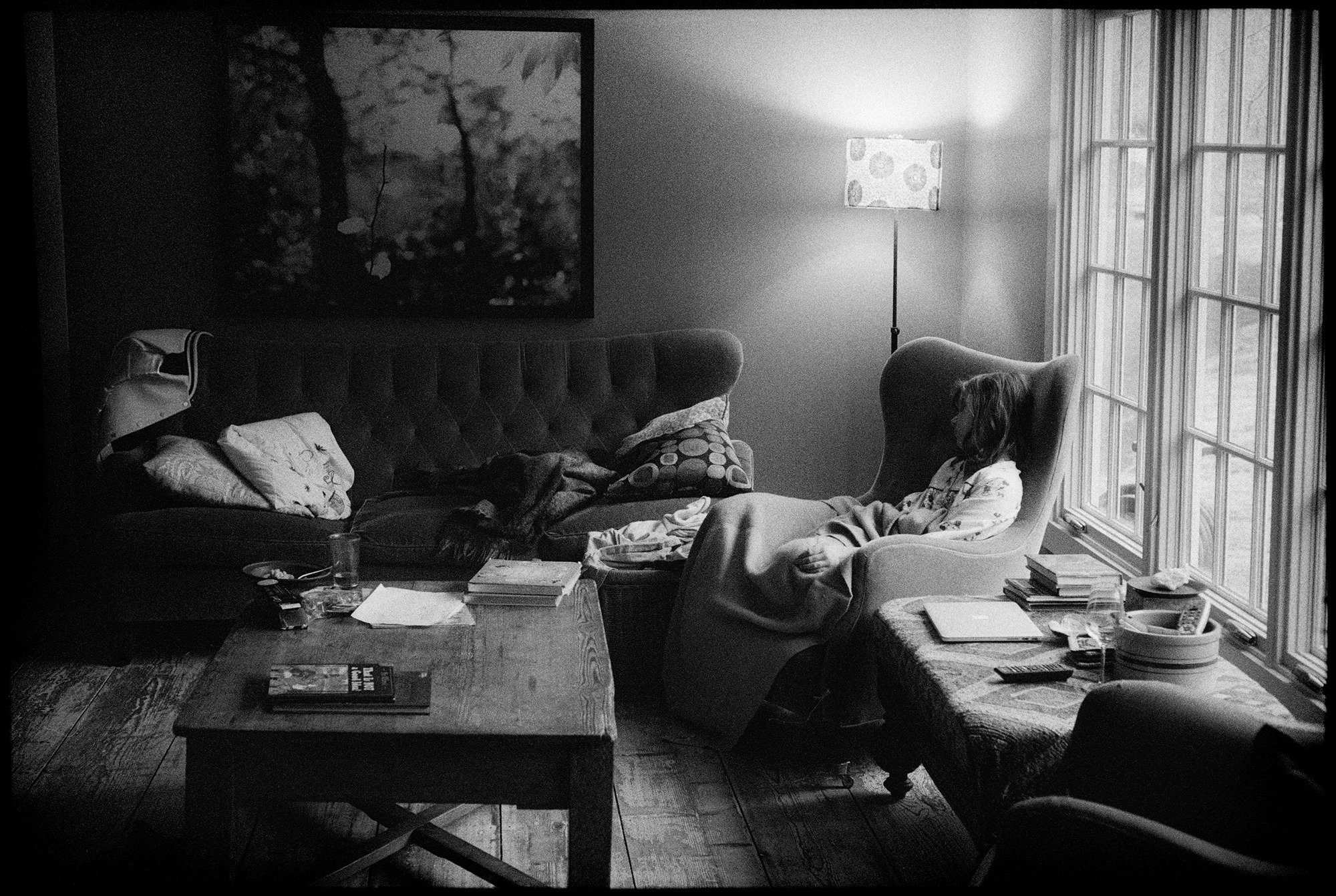
Development as outlined in audio:
1:100 Rodinal at 68-70F 2 Hour Stand Dev
Usable EI from 400-1600
1:50 Rodinal at 68-70F 2 Hour Stand Dev
Usable EI from 1000/1600 – 6400+
Another great alt developer is Caffenol CL… just google it and follow the directions exactly!!! Usable out to 3200 but the Rodinal version outlined above is better at the higher speeds. And you can see the grain is a bit softer but the tonal range is still crazy great!
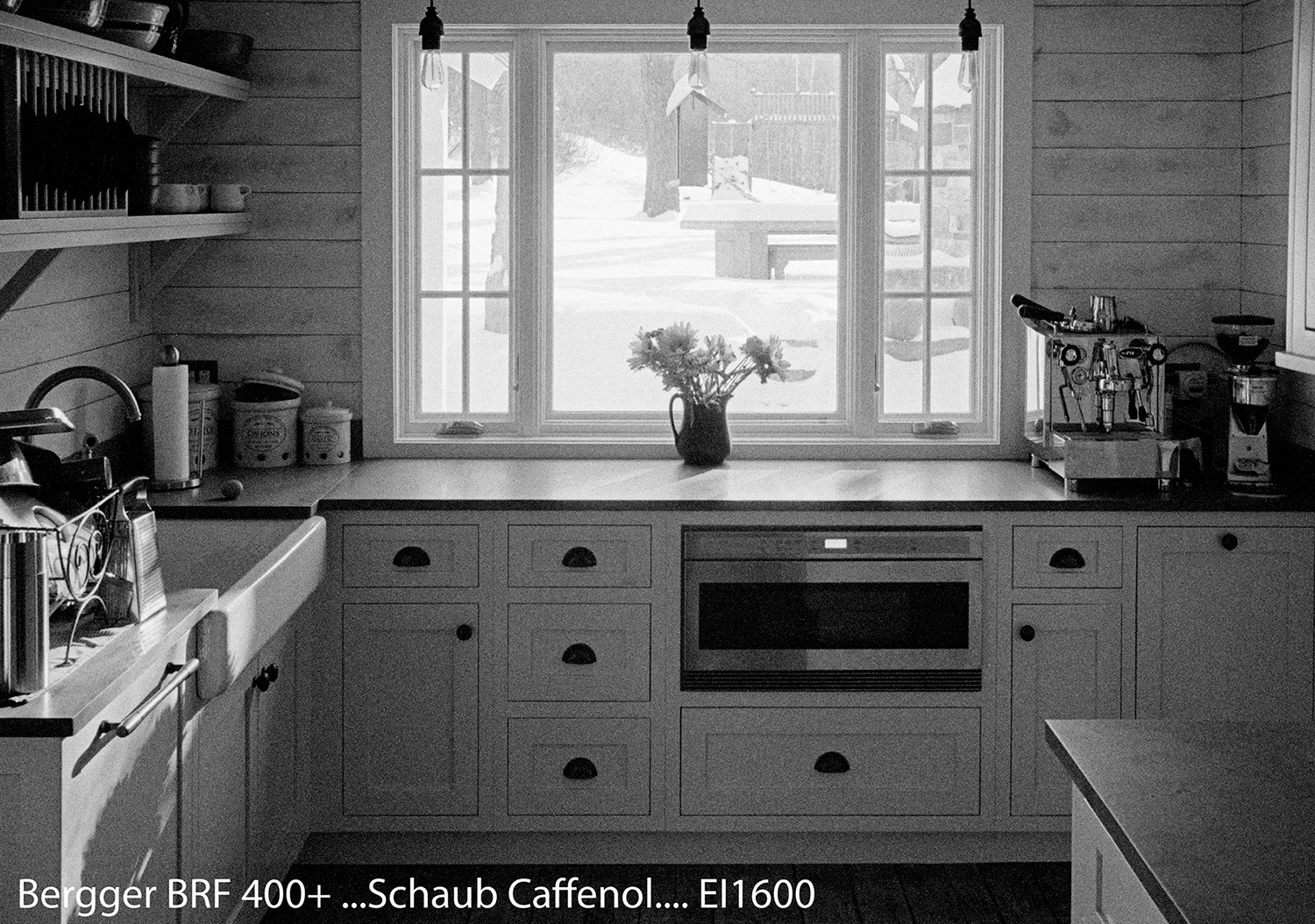
NOTE: I meter my shadows for Zone 4 in most cases… with this film it is VERY important for faster EI’s to meter for the shadows… highlights are not a problem. Here is a video on why meter for Zone 4.
Viva la Revolution- Stephen
 Click on the audio play button to listen to a review of the movie and more by Stephen Schaub and guest Author of Year of No Sugar Eve O. Schaub.
For 35mm and a classic feeling this has become my go to film! More on my processing techniques in a later post.
Viva la Revolution- Stephen
PS- will be in New Orleans starting Sunday for a few days of shooting… Drop me a line if you are in the area.
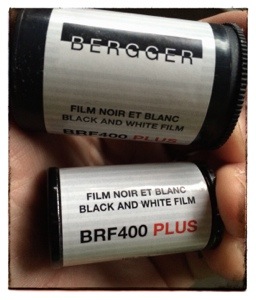
Press play on the audio button below first….
PS… I just ordered my PONO player!
Viva la Revolution- Stephen
So I am heading back to Paris tomorrow provided I can make it to Boston to get my flight!
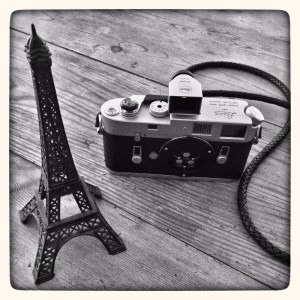
On my last trip to Paris 5 weeks ago I shot with the Leica Monochrome exclusively…. on this trip it will be my Leica M4 film cameras exclusively! Hint… my next big article here on FR.
I have also been testing a lot of film and developer combinations the last 5 weeks… a lot! I really like the Bergger BRF 400+ in Caffenol CL and Caffenol CH with EI in CL out to 3200+. Rodinal provides a very crisp negative and Xtol is another good choice at 1:1. Another film I have been testing a lot is Delta 3200 processed in PMK double strength… nice range of tones and usable out to 6400 and perhaps 12,800 with proper shadow metering. Today I am running a test looking at the Delta 3200 in PMK with 1.5 strength as at double the highlights get a bit hot at lower EI’s… I want it all- 400-6400!!!!!! Stay tuned!
Oh and the Bergger BRF400+ in PMK is around 200-400 with a beautiful tonal quality. I have heard many people compare the Bergger to Tri-X… Yes, but only if you are talking Tri-X from the 1970’s and even then it is more like XX than TX. It is very low contrast film which is a good thing for scanning and has a softer rendering then most modern films… perfect for a classic look. In Diafine it is nice but the grain needs a bit of a kick in PS with some structure and a “S” curve to add depth- in Diafine a usable EI of 1600 is not a problem.
Viva la Revolution- Stephen
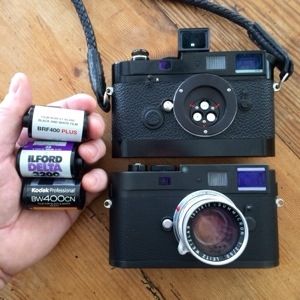
I shoot both with the Leica Monochrome and my Leica MP. I find that for lens work the Monochrome is pretty hard to beat especially if you understand the proper Monochrome workflow: most work I see online made with the Monochrome is not done to maximize what the camera is capable of doing. I will post a more in-depth review on the MM in a couple of weeks. Right now, however, my testing is looking at the MM compared to my MP using three different films (Bergger BRF400+, Ilford Delta 3200 and Kodak BW400CN) and my pinhole systems and long exposures at high-speed EI. I have been testing a variety of different developers from Rodinal to Xtol and of course Caffenol. There is just something I like about the Caffenol negatives.
I’ll be posting an in-depth article in a couple of days looking at these films and developers all for the purposes of high-speed use and scanning. Of course this info will be valuable to any low light shooter as well….stay tuned!
Viva la Revolution- Stephen
PS- I did test in Diafine BUT as I am looking for speeds of a solid 1600+ it was not a good choice….
Lately I am seeing far too many images praised, not for their quality, but simply because they are film based. Much as I love film, that pisses me off. I want to see great work get attention- film or digital- whatever!
Favoring film-based images simply because they’re from film strikes me as similar to the mistake that some shooters make when they assume a certain camera brand (did someone say Leica?) magically makes their images superior. Bottom Line… use the tools that help you make your work. Process is important but it’s not all-important especially to a collector or client… in the end people buy what they like.
Viva la Revolution- Stephen
 Figital Revolution