
Links
leica
EveNSteve Featured Interview Tales of the Bittersweet

Leica M9 KING of Color? vs M11?
Why I Bought a Leica M9 in 2025: Rediscovering the Magic of CCD
Ricoh GRD4 vs GR3 vs Leica M11P — Can Any of Them Match Tri-X Film?
Are Modern Digital Cameras Too Sharp to Look Like Film?
Over the past few days, I’ve been conducting a test that has left me genuinely shaken—and deeply curious about the direction of photography in 2025.
I’ve been comparing three cameras: the Leica M11-P, the Ricoh GR III, and the Ricoh GRD IV from 2011 (with its legendary 10MP CCD sensor). Alongside them, I’ve been looking at good old Kodak Tri-X 400 processed in D-76 1:1. And here’s what I’ve found: replicating the look and feel of film—especially something as iconic as Tri-X—is nearly impossible with today’s top-tier digital cameras. Why? Because they’re simply too good with regards to resolution.
Let me explain.
When you shoot with the Leica M11-P, what you get is an image that’s almost unnervingly sharp. The micro-detail and micro-contrast are off the charts. It doesn’t matter what lens you put on it—it cuts through the scene with clinical precision. And while that’s technically impressive, it’s also the very thing that makes it difficult to achieve that classic filmic feel. The images are so sharp, so “perfect,” that no amount of digital grain or post-processing seems to bring them back into the aesthetic world of analog film.
Even the Ricoh GR III, with its 24MP APS-C CMOS sensor (no AA filter), delivers an image so crisp and contrasty that it almost feels too clean. It’s beautiful, yes—but unsettling. It’s not just detail; it’s hyper-detail. The images feel… louder than life. And maybe that’s part of the problem.
In contrast, the GRD IV from 2011—only 10MP and CCD-based—has an elegance that feels closer to film. There’s a softness, a gentler falloff in the tones. And, of course, real Tri-X has a depth, an irregularity, and a humanity that no software seems able to mimic convincingly.
This brings me to a larger question: Has our visual aesthetic as a culture changed?
We know film photography has seen a resurgence over the past five or six years, but in the grand scheme, it’s still a tiny sliver of the overall photo market. Digital dominates. And yet, many of today’s digital tools and presets aim to emulate film—but they can’t fully hide the fact that the underlying image is just too sharp. Most emulation software simply overlays grain onto a razor-sharp digital file. It feels fake. It looks fake. And we can see that it’s fake.
That’s why I turned to Real Grain 3 by Imagenomic for this test. It was the only software I found that actually reduced structural detail in the digital file in a meaningful way before applying the grain. It felt closer to the real thing—not perfect, but better. Because true film isn’t just about grain—it’s about the relationship between grain, light, focus, and depth. It’s about imperfection.
I don’t know what this all means just yet. I’m still processing (pun intended). But what I do know is that we’re living in a time where cameras are producing images so sharp, so clinically perfect, that it may be time to ask: Is this the look we want for photography going forward?
Or is there a growing desire—conscious or not—for images that feel less precise and more emotional?
The masters—Koudelka, Cartier-Bresson, early Salgado—shot on film. Their images breathe. They have edges that aren’t always sharp. Grain that adds to the story. I worry that we’re losing that sensibility in favor of sheer technical brilliance.
This is just me thinking aloud, but maybe it’s something we all should sit with.
Which LEICA Wins? Leica M11P vs Leica M3– is the M11P worth the Money? Digital vs Film in 2024!
Why I Added a LEICA Viewfinder to a Plastic Toy Holga Camera
Bruce Davidson: A Lifetime with Leica
Film Testing Kodak 400TX and Diafine Developer
Amazing couple of days running dozens of different developer tests all with 400TX… love the look of the grain and depth of this film! In the end I came back to an old friend but with a new twist. Diafine is back in my life in a big way! Diluted 1:1 and used as a one shot developer it is spot on in my JOBO with very nice grain, great tonality, no processing issues and best of all a usable EI from about 100-1250 (the chart shows 200-1600… I think 1600 is a bit on the edge for my works but is totally usable in a pinch. So again, in a JOBO speed is 4, temp does not really matter but I ran at 75F, Dilute part A and B 1:1… I did 3.5 minutes in each followed by a 2 min wash with water then fix (box time), clear (box time) and hang to dry…. easy as pie!
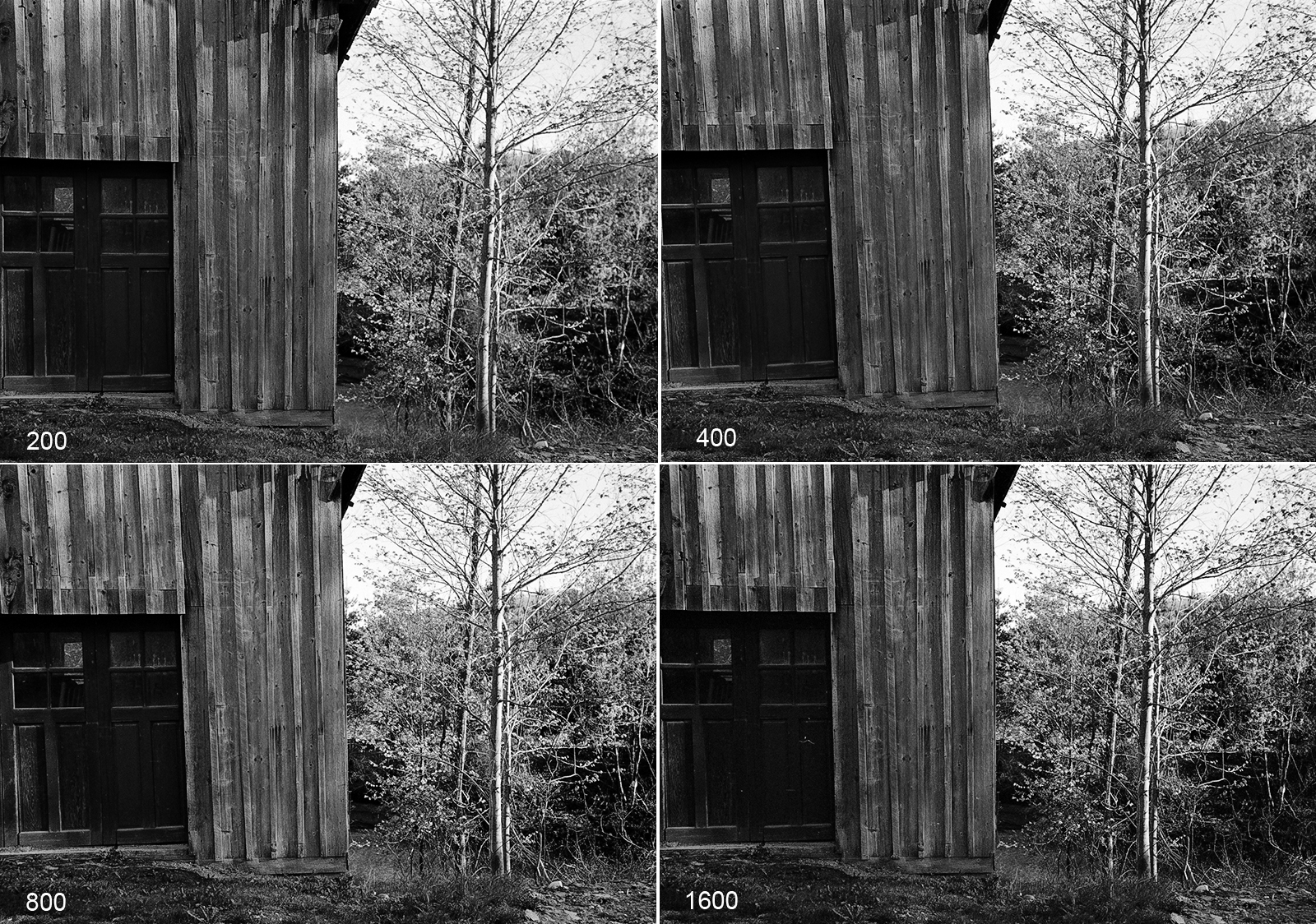
Of course an advantage of Diafine that I have written about here before is that many different films can be souped at the same time which is a huge time saver. Diafine negs are a bit flat and do requiere an “S” curve in PS to make me happy but I am now quite happy indeed. I will post links to Diafine articles I have written and a great one from a friend Sandy King from View Camera.
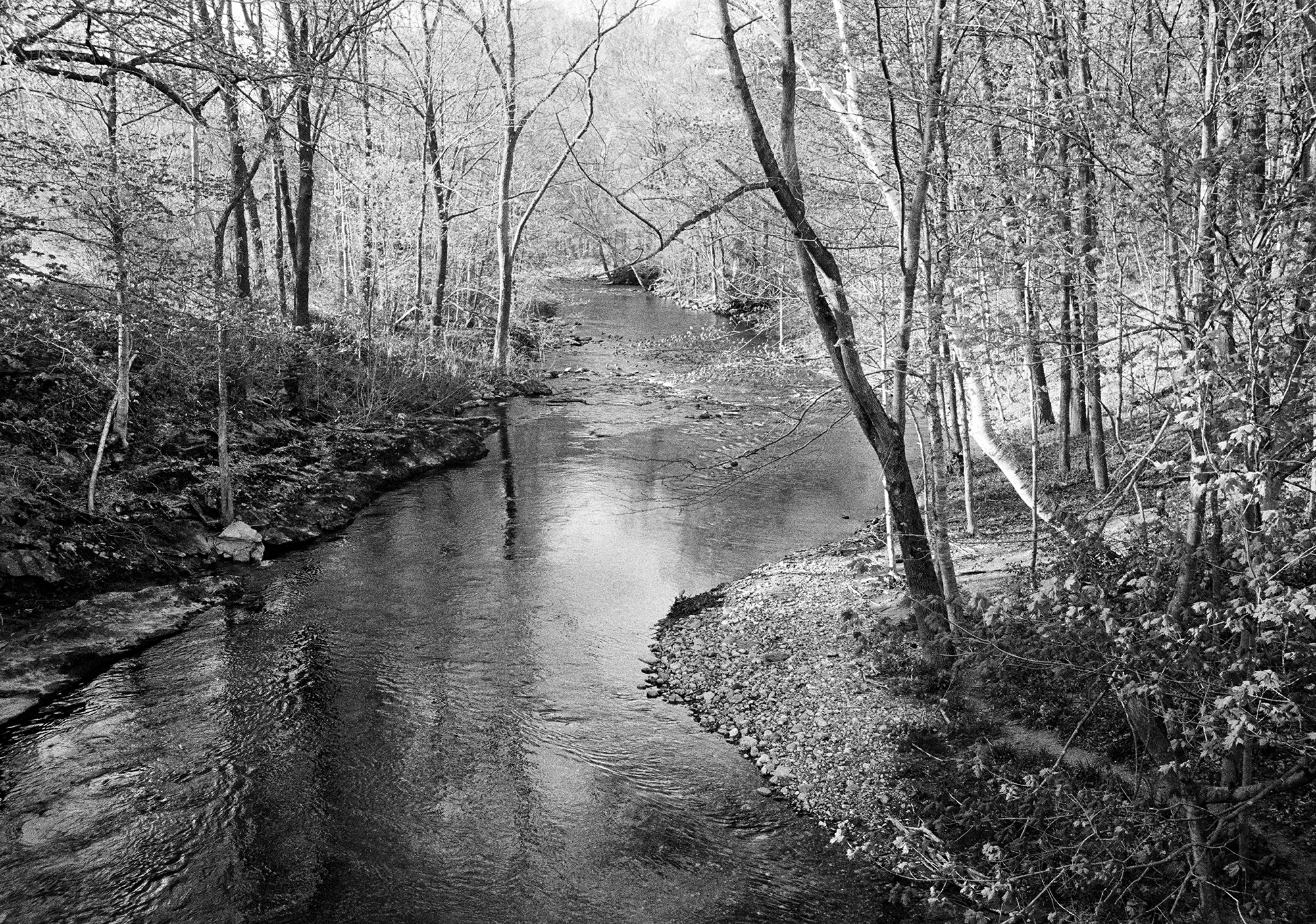
My suggest EI…. 800.
Viva la Revolution– Stephen
All images shot with a Leica MP with a 35MM Summicron ASPH… on Film!
LINKS:
Sandy King Article Diafine…. a must read!
as for articles here… there are a lot!!!! Just type in Diafine in the search box and enjoy!
Also please note these were just quick scans (first set) as I am leaving tomorrow for a week of shooting but the final scan (last image) is quite nice and shows the real potential for this amazing combo.
 Figital Revolution