
That’s right…since the dynamic launch of the new Figital Revolution web site back in December of 2007 till NOW, October 8, 2008 we’ve had over 80,000 hits!
Viva La Revolution!
That’s right…since the dynamic launch of the new Figital Revolution web site back in December of 2007 till NOW, October 8, 2008 we’ve had over 80,000 hits!
Viva La Revolution!
 In this audiobog I advocate the concept of printing from memory…not just real images captured on film or with digital devices but experiences and subjects that were captured as mental photographs for the purposes of making fuller, more expressive prints. Give a listen!
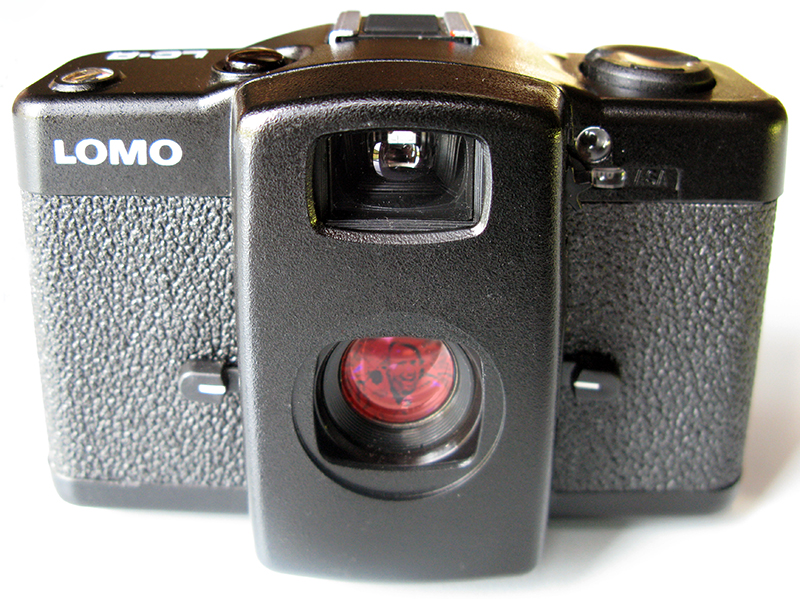
 Over the next few months I’ll be writing several articles on the LOMO LCA and LCA+. I’ve decided to use these small and very opinionated cameras for my new artwork series, entitled Vanishing Vermont. Articles will focus on working with these cameras, how to carry them, films to use and why… XPros, where to buy and differences in current and older models.
I know there are a lot of opinions out there (both pro and con) about the LOMO (LOMOGRAPHY) and I look forward to an open discussion, so first lets agree on two things: 1. Its the print that counts! 2. See number 1.
Here are a few helpful links to get things started…check them out and stay tuned!
Viva la Revolution!
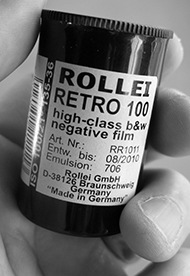 Yet another Diafine Developer Test! I’ve been wanting to try this film for some time now and was able to fit a test into my schedule this week so here are the results and my thoughts.
First my Thoughts:
Rollei Retro 100 is a nice film with good classic grain structure and good tonality…photographers who like classic grain and film with a bit of punch will love it with Diafine. The film has a usable EI from around 50-200 (in Diafine) but I found that at 100 I got the best shadows and midtone separation and it gave me a bit of margin for meter error. The highlights are clean, bright and open even in the brightest areas.
For photographers who want that classic street photographer look this would be a good choice…however, if you were raised on Fuji Acros for breakfast and TMAX for dinner and love those films this probably won’t be your cup of tea.
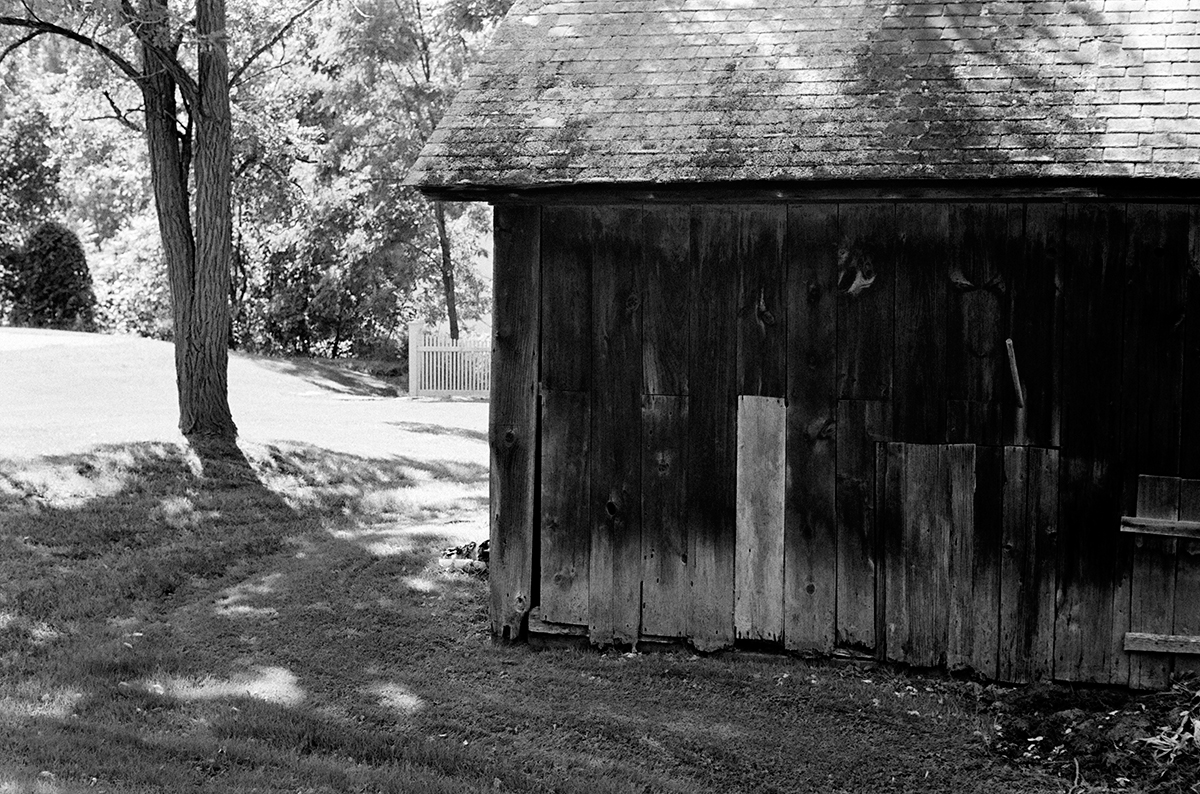
The Results:
Both images were made using a Leica M7 with a 50mm Summilux Lens at F5.6 – in camera meter at an EI of 100. Scans were done on an Imacon Scanner at 3150 dpi, no sharpening or noise reduction was applied to either file. File prep/ workflow in Photoshop CS3 is my standard for all Diafine developed test negatives which is to apply just a bit of an “S” curve and make sure my white and black points are fine.
 The sharpness of the film is good but again not like TMAX 100 or the New TMAX 400. But I do like the film alot! It won’t be my first go to film for general shooting but it is something that has a unique look and has found a place in my film bag.
PDF with more Rollei Retro Information.
Processing Technique, Diafine Developer and Rollei Retro Film:
Final note: There has been conversation (gossip) on the web that Rollei Retro 100 is AGFA APX 100 or something very similar…as I don’t have any AGFA APX 100 to test I can neither confirm nor deny this BUT even if it is just a slightly tweaked version of APX – as AFGA is no longer in business- it is nice to have a “similar” film still being made.
Viva la Revolution!!!
___________
Link to a conversation on Flickr where information on the maker of Rollei Retro (old AGFA) can be found as well as exciting information on the NEW film release set to replace this film as of Photokina 2008:
I spend a lot of time testing and re-testing my materials so that when I need to make a print I can make it perfect the first time. One of the biggest difficulties with printing on uncoated papers is the paper getting plugged up (this a huge problem with the introduction in many new printers of 9+ inks…that’s a whole lot of fluid!) The solution can be simple (note: its not Pepto Bismol) so give this audioblog a listen!
Below: Hariku Example and Link to Test Target!!
Ever wonder why or how to start a photographic project? Many photographers I know shoot and shoot with the idea that at some point they will edit and a project or maybe even a book will appear!…the tooth fairy may also appear but don’t bet on it. In this audioblog I outline my method for starting a new photographic project along with specific project examples. Give a listen!
That’s right…since the dynamic launch of the new Figital Revolution web site back in December of 2007 till NOW, September 4, 2008 we’ve had over 70,000 hits!
Viva La Revolution!
I hear this term used alot nowadays… “I’m a purist” or “I never manipulate my images as I want the pure photographic image” – give me a break! This audio blog explores this concept and the damages it is causing to photographers everywhere. Give it a listen. By Stephen Schaub
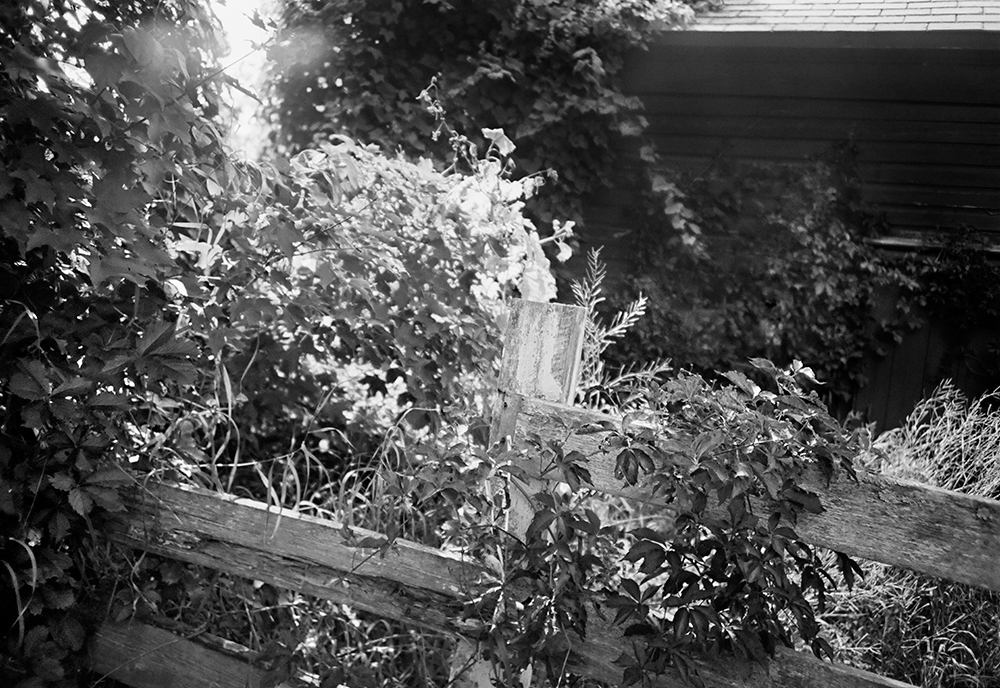 I’ve read mixed reviews about this concept online so I decided I needed to try it myself. I chose Ilford XP2 Super and Kodak BW400CN, both in 35mm as test films. My results were mixed…the Ilford out-performed in my opinion the Kodak (with regards to tonal range as the Kodak was much harsher) but was anything gained over say TX or 125PX in Diafine?…you be the judge. I will say that the look of a print made using this technique is different and in some cases could be used in a very creative way. The test image was shot with a LOMO LCA+ with the Ilford XP2 Super rated at EI 200. Be sure to click on both images to see them at a larger size.
Tech Notes:
 I have also found that these negatives scan really nicely using most generic gray scanner profiles and the grain is there but acceptable for a process such as this. Give it a try!

Viva la Revolution!!!!
Final Note: The LOMO LCA+ is a Zone Focus camera and as such comparing the sharpness to say a Leica is a real mismatch…but the LOMO has an amazing quality all its own!
Recorded in response to an article on the Luminous Landscape website by Bernard Languillier which raises many questions, among them: does paper matter? Are paper’s days numbered? Should we paper-huggers, in fact, all just hang it up and go home in the face of a brave-new-world of LCD and Plasma screens?
Not necessarily… give a listen.
Link to Article on Luminous Landscape: http://www.luminous-landscape.com/essays/disembodiment.shtml
 Figital Revolution